正在确认阅读权限…
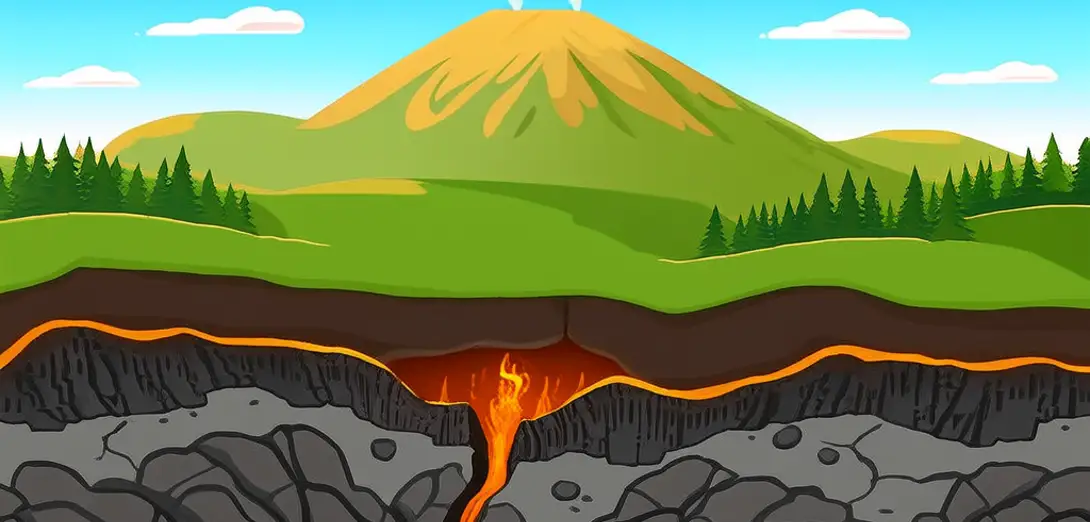
Why Do Volcanoes Erupt After Being Quiet for Years?
为什么火山在沉寂多年后会突然喷发?
-
Molten rock called magma rises slowly from deep inside Earth’s mantle.被称为岩浆的熔融岩石从地球地幔深处缓慢上升。
-
Pressure builds up beneath the surface when magma cannot escape through solid rock.当岩浆无法穿过坚硬岩石逃逸时,地表下方压力逐渐积聚。
-
Gas bubbles trapped in the magma expand as it rises, increasing pressure further.岩浆上升过程中,其中困住的气体气泡膨胀,进一步增大压力。
-
When pressure exceeds the strength of the overlying rock, an eruption occurs.当压力超过上覆岩石的承受极限时,火山便会发生喷发。
-
Some volcanoes stay quiet for centuries while magma slowly accumulates underground.有些火山可沉寂数百年,而岩浆在地下缓慢积聚。
-
Scientists monitor earthquakes, ground swelling, and gas emissions to predict eruptions.科学家通过监测地震、地面隆起和气体排放来预测火山喷发。
-
The type of eruption depends on magma thickness and gas content.喷发类型取决于岩浆的黏稠度和含气量。
-
Explosive eruptions happen when thick, sticky magma traps gas until it bursts.当黏稠、滞重的岩浆困住气体直至突然爆发时,便发生爆炸式喷发。
-
Quiet eruptions occur when thin, runny magma lets gas escape easily.当稀薄、流动性强的岩浆使气体易于逸出时,则发生宁静式喷发。
-
Volcanic ash can travel thousands of miles and affect global weather patterns.火山灰可飘散数千英里,影响全球天气模式。