正在确认阅读权限…
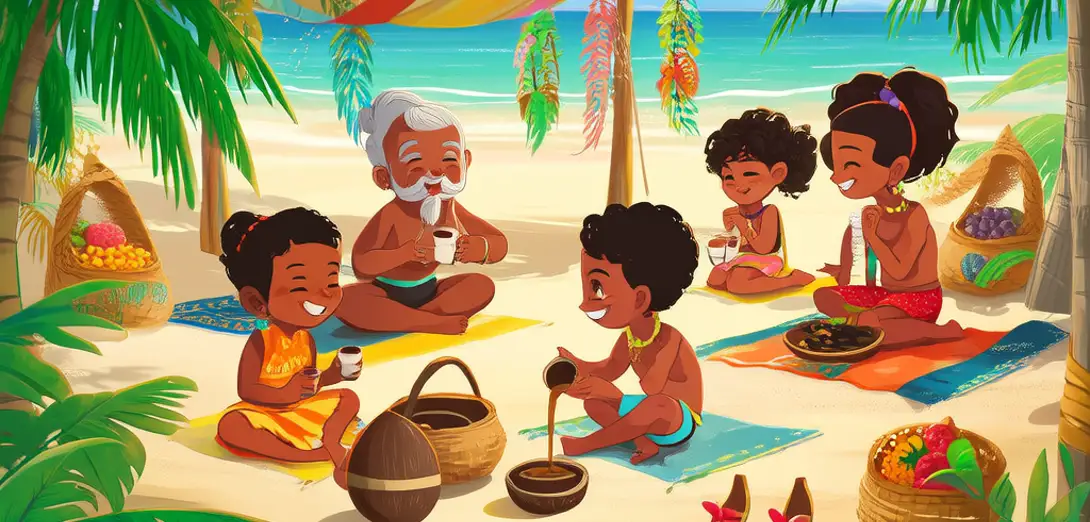
Fiji’s Bula Festival: Island Greetings, Kava Circles, and Handwoven Gifts
斐济布拉节:岛屿问候、卡瓦酒圈与手编礼物
-
In Suva each June, Fijians welcome visitors with a warm 'Bula!' and a lei of frangipani flowers.每年六月,苏瓦的斐济人用热情的‘布啦!’和鸡蛋花花环欢迎游客。
-
Families prepare kava root paste and serve it in coconut shells during evening sharing circles.家人准备卡瓦根糊,并用椰子壳在晚间分享圈中盛装奉上。
-
Elders sit cross-legged and lead chants while youth pass the bowl with both hands.长者盘腿而坐,领唱颂歌;年轻人则双手捧碗传递。
-
Artisans display bilibili mats, woven from pandanus leaves, which show family lineage and skill.工匠展示用露兜树叶编织的比利比利席,图案彰显家族谱系与技艺。
-
Children learn traditional dance steps by watching elders move slowly and proudly.孩子们通过观察长者缓慢而自豪的舞步学习传统舞蹈。
-
Guests bring gifts like sugar cane or woven baskets to thank hosts for their hospitality.宾客携甘蔗或编织篮等礼物,以感谢主人的热情款待。
-
Schools host storytelling sessions where myths explain why the ocean is sacred and generous.学校举办故事会,神话讲述海洋为何神圣而慷慨。
-
Local bands mix ukulele, conch shells, and island drums to create joyful, relaxed music.本地乐队融合尤克里里、海螺与岛鼓,奏出欢快轻松的音乐。
-
Farmers bring fresh taro, yams, and coconuts to community feasts under shady banyan trees.农民将新鲜芋头、山药和椰子带到遮荫的榕树下社区盛宴。
-
The festival teaches that respect, rhythm, and gratitude keep Fijian culture strong and kind.这一节日昭示:尊重、律动与感恩,让斐济文化坚韧而温厚。