正在确认阅读权限…
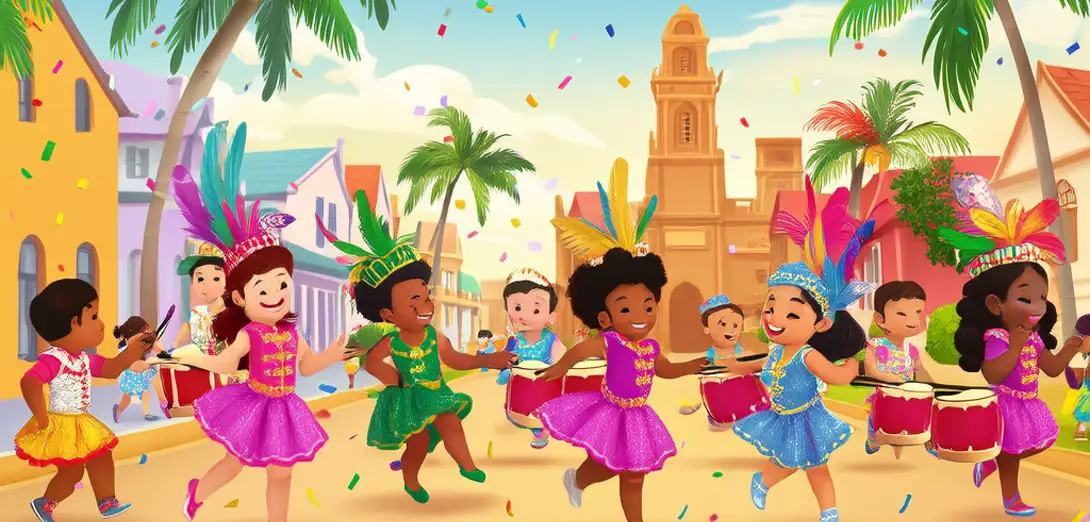
Carnival in Rio: Rhythm, Identity, and Social Expression
里约狂欢节:节奏、身份与社会表达
-
For four days before Lent, Rio de Janeiro transforms into a city of samba, feathers, and synchronized dance.在大斋期前的四天里,里约热内卢化身为一座充满桑巴舞、羽毛和整齐划一舞蹈的城市。
-
Samba schools—community-based organizations—spend months designing costumes, writing lyrics, and rehearsing parades.桑巴学校——扎根社区的组织——耗时数月设计服装、创作歌词并排练游行。
-
Each school selects an annual theme, often addressing history, environmental issues, or Afro-Brazilian cultural pride.每所学校每年选定一个主题,常涉及历史、环境问题或非裔巴西文化自豪感。
-
Judges evaluate floats, percussion sections, choreography, and storytelling coherence rather than just visual spectacle.评委依据花车、打击乐组、编舞及叙事连贯性评分,而不仅看重视觉效果。
-
Many performers belong to favela neighborhoods, turning Carnival into both artistic platform and economic lifeline.许多表演者来自贫民窟社区,使狂欢节既成为艺术舞台,也是经济支柱。
-
Tourists book hotels a year ahead, yet locals stress that true Carnival happens in neighborhood blocos—open street parties.游客提前一年预订酒店,但当地人强调,真正的狂欢节发生在邻里街头派对(bloco)中。
-
Costumes reflect ancestral symbols: Yoruba deities, Amazonian flora, colonial resistance, and futuristic Afrofuturism alike.服装融入祖先符号:约鲁巴神祇、亚马孙植物、殖民抗争与未来主义非洲未来风并存。
-
Though rooted in Catholic tradition, today’s Carnival increasingly embraces secular joy and inclusive self-expression.尽管源于天主教传统,如今的狂欢节日益彰显世俗欢愉与包容性的自我表达。