正在确认阅读权限…
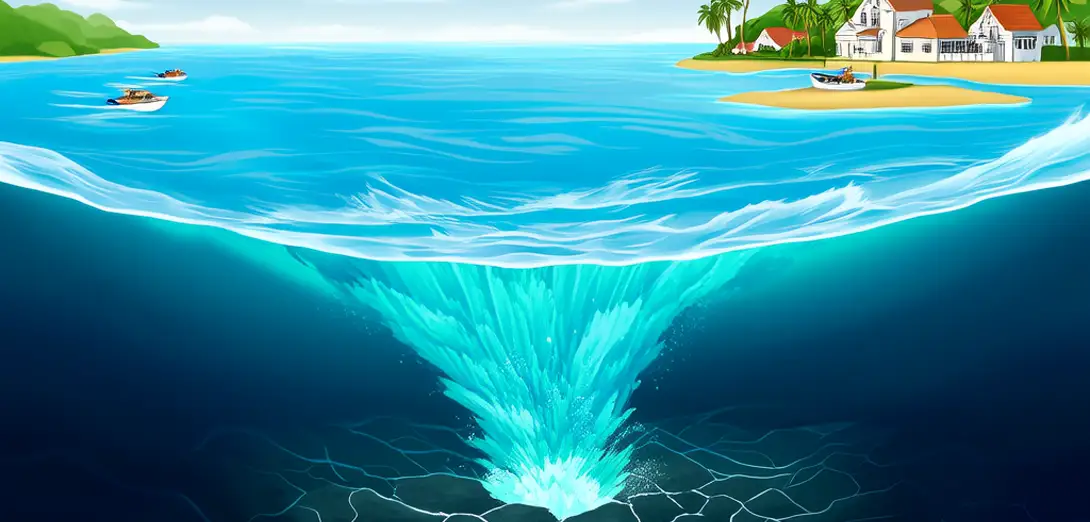
Big Waves Can Rush In After Quakes
大地震后会有巨浪涌来
-
Undersea earthquakes shift the ocean floor suddenly and push huge water columns upward.海底地震会突然使海床位移,将巨大的水柱向上推。
-
This energy travels fast across deep water, forming long, low waves you can’t easily spot.这种能量在深水中快速传播,形成肉眼难以察觉的长而低的波浪。
-
Near shore, the wave slows down but grows taller as water gets shallower.靠近海岸时,波浪速度减慢,但因水深变浅而变得更高。
-
Tsunamis aren’t like normal beach waves — they arrive as walls of churning water instead of curls.海啸不同于普通海滩浪,它以翻涌水墙的形式袭来,而非卷曲状波浪。
-
Coastal warning systems use seismometers and ocean buoys to detect early signs of trouble.沿海预警系统利用地震仪和海洋浮标探测早期异常迹象。
-
People near beaches learn evacuation routes and meet at high ground when alarms sound.海边居民熟悉疏散路线,警报响起时前往高地集合。
-
Even small tsunamis can knock over cars or sweep away docks and fishing boats.即便是小型海啸,也能掀翻汽车或冲走码头和渔船。
-
After a tsunami, volunteers help clean up broken homes and share clean water and food.海啸过后,志愿者协助清理损毁房屋,并分发洁净水和食物。
-
Some islands plant mangrove trees along shores because roots slow down incoming waves.一些岛屿在海岸沿线种植红树林,因其根系可减缓 incoming 波浪。
-
Always listen to local alerts — a tsunami may come minutes or hours after the first tremor.务必留意当地警报——海啸可能在首次震动后数分钟或数小时内抵达。