正在确认阅读权限…
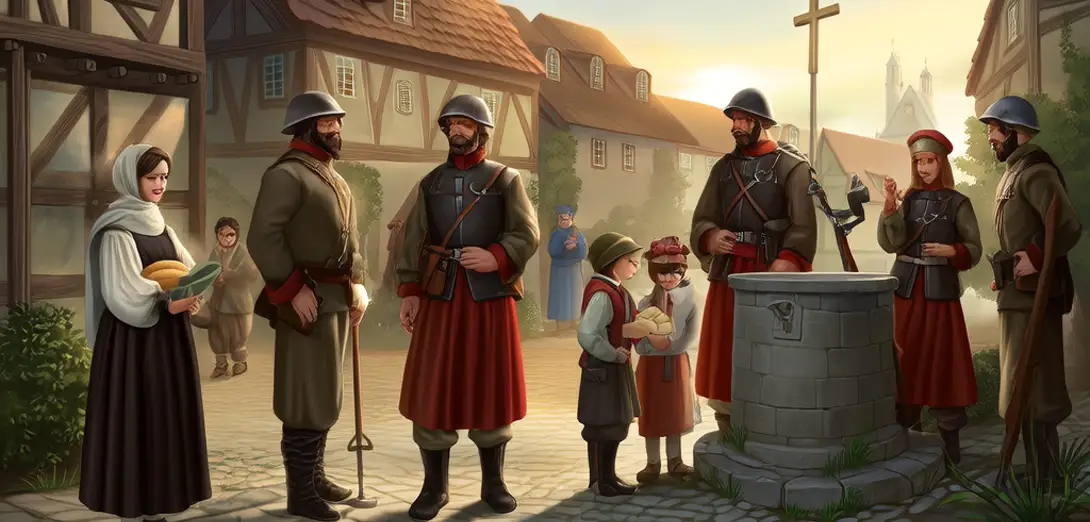
Thirty Years’ War: Birth of the Nation-State
三十年战争:民族国家的雏形
-
Fought from 1618 to 1648, this war began as a religious conflict between Protestants and Catholics in Central Europe.这场战争发生于1618至1648年,最初是中欧新教徒与天主教徒之间的宗教冲突。
-
But it quickly involved France, Sweden, Spain, and the Dutch Republic — turning into a struggle for political power.但很快卷入法国、瑞典、西班牙和荷兰共和国,演变为争夺政治权力的斗争。
-
Armies looted villages, spread disease, and destroyed crops, reducing parts of Germany’s population by nearly half.军队劫掠村庄、传播疾病、毁坏庄稼,致使德国部分地区人口锐减近半。
-
The Peace of Westphalia in 1648 recognized over 300 German states as sovereign, each controlling its own religion and laws.1648年《威斯特伐利亚和约》承认三百多个德意志邦国拥有主权,各自掌管宗教与法律。
-
It established the principle that no outside power could interfere in a state’s internal affairs — a cornerstone of modern diplomacy.该和约确立了‘外部势力不得干涉一国内政’的原则,成为现代外交的基石。
-
Ambassadors began using standardized protocols, permanent embassies, and professional interpreters to negotiate treaties.外交官开始采用标准化规程、常设使馆及职业译员来谈判缔约。
-
War financing led rulers to build stronger bureaucracies, tax systems, and standing armies loyal to the crown.战争筹款促使统治者建立更强大的官僚体系、税收制度和效忠王权的常备军。
-
Latin remained Europe’s scholarly language, but vernacular tongues like French and German gained prestige in courts and treaties.拉丁语仍是欧洲学术通用语,但法语、德语等民族语言在宫廷与条约中日益获得声望。
-
Artists depicted battles and treaties to glorify monarchs — reinforcing the idea that power resided in the state, not the Church.艺术家通过描绘战役与条约来颂扬君主,强化‘权力归属国家而非教会’的观念。
-
Though devastating, the war helped define the nation-state as the primary unit of international order.尽管惨烈,这场战争却帮助确立了民族国家作为国际秩序基本单位的地位。