正在确认阅读权限…
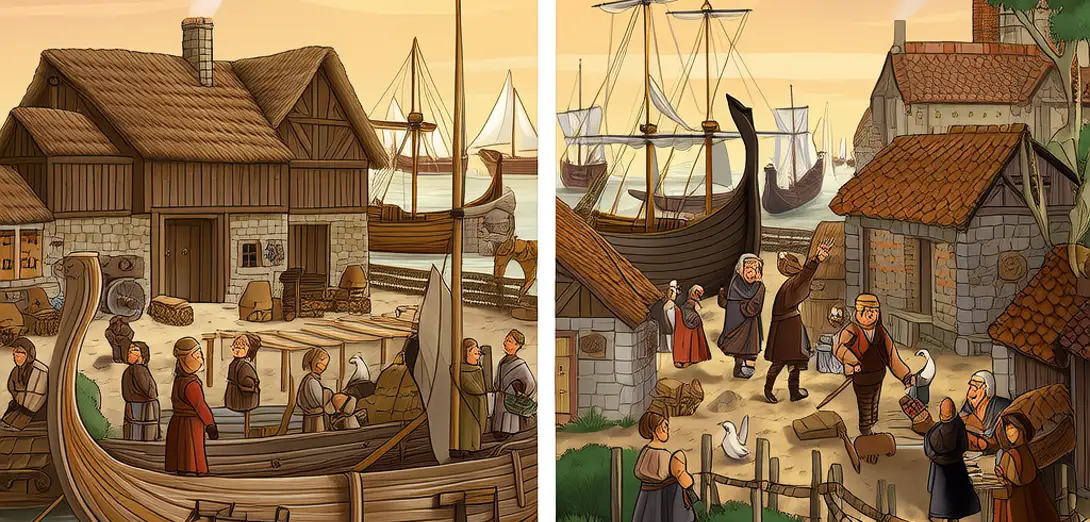
Hedeby and Birka: Viking Harbors Where Silver Met Saga
海德比与比尔卡:银币与传奇交汇的维京港湾
-
Hedeby in modern Germany and Birka in Sweden were twin Viking trading hubs from 750 to 975 CE.现代德国的海德比和瑞典的比尔卡是公元750至975年间一对维京贸易中心。
-
Merchants brought furs, amber, and slaves from the Baltic and Russian rivers to exchange for Arab silver coins.商人将波罗的海和俄罗斯河流地区的毛皮、琥珀和奴隶运来,换取阿拉伯银币。
-
Arab dirhams found in Birka graves prove long-distance trade stretched across the Caspian Sea and Silk Roads.比尔卡墓葬中发现的阿拉伯迪拉姆银币,证实长途贸易已延伸至里海及丝绸之路。
-
Local chieftains taxed every ship entering port and hosted seasonal assemblies called ‘things’ for legal disputes.当地酋长对每艘入港船只征税,并举办名为‘庭’的季节性集会,以裁决法律纠纷。
-
Craftsmen in Hedeby forged jewelry using Islamic motifs, showing cultural blending beyond commerce.海德比工匠采用伊斯兰纹样打造首饰,体现文化交融远超商业范畴。
-
Runestones at both sites honor men who died far east—not in battle, but on merchant voyages.两地的卢恩石碑纪念死于遥远东方的男子——并非战死,而是商旅途中离世。
-
Unlike raiding myths, most Vikings spent years negotiating deals, learning languages, and building alliances.与劫掠传说不同,多数维京人多年从事谈判、学习语言、建立联盟。
-
These ports declined when new river routes opened and Danish kings centralized power inland.随着新河道开通及丹麦国王将权力集中于内陆,这些港口逐渐衰落。
-
Archaeologists still uncover scales, glass beads, and Arabic inscriptions beneath Viking soil.考古学家仍在维京遗址下发掘出天平、玻璃珠和阿拉伯铭文。
-
Trade, not just terror, shaped how Scandinavia entered medieval Europe’s economy.塑造斯堪的纳维亚融入中世纪欧洲经济的,是贸易,而非仅靠恐怖。