正在确认阅读权限…
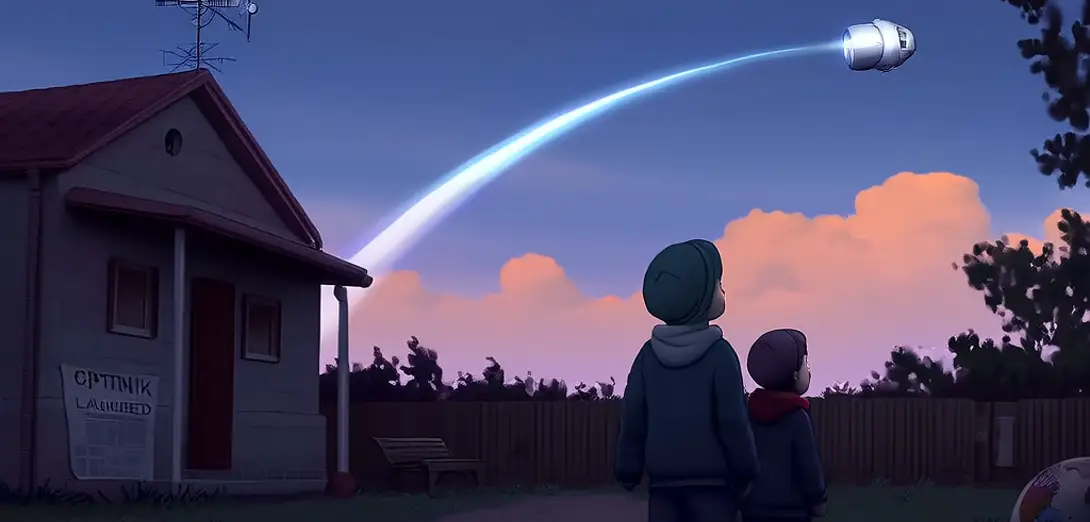
From Sputnik to the ISS: When Rivals Built a Station Together
从斯普特尼克到国际空间站:当对手共建一座太空站
-
In 1957, Soviet Sputnik shocked America and launched a fierce space race rooted in Cold War rivalry.1957年,苏联发射‘斯普特尼克’卫星震惊美国,由此拉开以冷战 rivalry 为背景的激烈太空竞赛。
-
Both superpowers sent astronauts to orbit, land on the Moon, and probe Mars—but always separately and competitively.两大超级大国分别将宇航员送入轨道、登陆月球、探测火星——始终各自为政、相互竞争。
-
The 1975 Apollo–Soyuz mission marked the first handshake in space, using a universal docking adapter.1975年的阿波罗—联盟任务标志着人类首次在太空‘握手’,使用了通用对接适配器。
-
After the Soviet Union fell, NASA invited Russian engineers to help design the International Space Station (ISS).苏联解体后,美国宇航局(NASA)邀请俄罗斯工程师共同设计国际空间站(ISS)。
-
Astronauts and cosmonauts trained together in Houston and Star City, learning each other’s languages and procedures.宇航员与航天员在休斯顿和星城共同训练,学习彼此的语言与操作流程。
-
Since 2000, the ISS has hosted crews from 19 countries, including Japan, Canada, and Italy.自2000年以来,国际空间站已接待来自日本、加拿大、意大利等19个国家的乘组。
-
No single nation owns the station; its legal framework treats modules as sovereign territory while sharing operations.该空间站不属于任何单一国家;其法律框架视各舱段为所属国主权领土,同时共享运行管理。
-
When U.S. shuttles retired, Russia’s Soyuz became the only ride to orbit—forcing real interdependence.美国航天飞机退役后,俄罗斯‘联盟号’飞船成为通往近地轨道的唯一载具,迫使双方真正相互依存。
-
Even during political tensions on Earth, ISS partners maintained daily coordination and life-support trust.即便地球上的政治关系紧张,国际空间站合作伙伴仍坚持每日协调与生命保障互信。
-
This orbiting laboratory proves that shared goals can turn old enemies into steady colleagues.这座轨道实验室证明:共同目标能将昔日对手转变为稳定伙伴。