正在确认阅读权限…
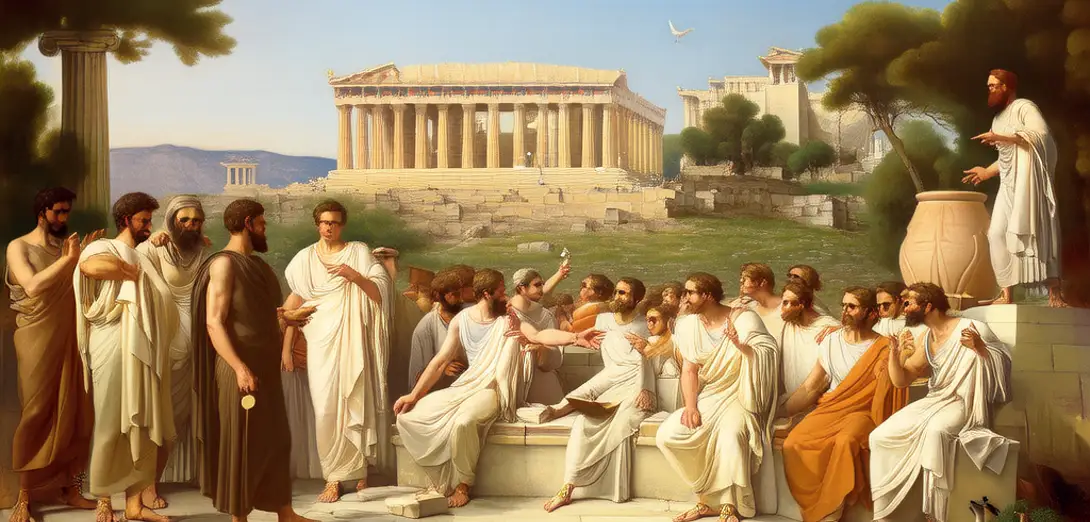
Athenian Democracy: Voice and Limits
雅典民主:声音与边界
-
Around 508 BCE, Cleisthenes reorganized Athens’ tribes and introduced citizen assemblies open to all free men.公元前508年左右,克利斯提尼重组了雅典的部落,并设立向所有自由男性开放的公民大会。
-
Male citizens over 18 could speak, vote, and serve on juries — but women, slaves, and foreigners were excluded.年满18岁的男性公民可发言、投票并担任陪审员,但妇女、奴隶和外邦人被排除在外。
-
Officials were chosen by lot, not election, to prevent wealthy families from dominating public office.官员通过抽签而非选举产生,以防富裕家族垄断公职。
-
The Assembly met forty times yearly on the Pnyx hill, debating war, law, and religious festivals.公民大会每年在普尼克斯山召开四十次,讨论战争、法律和宗教节庆等事务。
-
Socrates questioned democracy’s wisdom, asking whether voting required knowledge — or just citizenship.苏格拉底质疑民主的智慧,追问投票究竟需要知识,还是仅凭公民身份即可?
-
Ostracism let citizens exile dangerous leaders for ten years without trial — a safeguard against tyranny.陶片放逐法允许公民不经审判将危险领袖流放十年,以防范暴政。
-
Despite its limits, Athens’ system inspired later thinkers like Locke and Rousseau centuries later.尽管存在局限,雅典的制度数百年后仍启发了洛克、卢梭等思想家。
-
Citizens funded plays and temples, believing culture strengthened shared identity and civic pride.公民出资资助戏剧演出和神庙建设,认为文化能强化共同认同与 civic 骄傲。
-
Democracy here was direct, local, and demanding — requiring time, travel, and active participation.这里的民主是直接的、地方性的、高参与度的——要求时间、奔波与积极投入。
-
It proved that collective decision-making could work, even if only for a small, privileged group.它证明了集体决策可行,哪怕仅限于少数特权群体。