正在确认阅读权限…
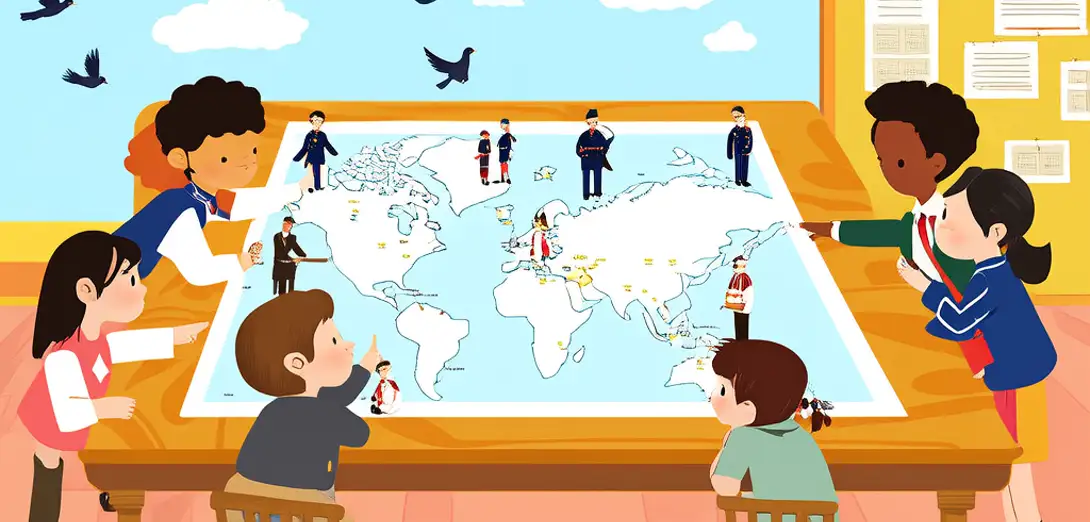
Iron Curtains and Proxy Fires: Cold War Frontlines
铁幕与代理之火:冷战的前线
-
After 1947, the U.S. and USSR avoided direct war but fought fiercely through local allies and insurgent movements.1947年后,美苏虽避免直接开战,却通过地方盟友和叛乱组织激烈交锋。
-
In Korea, American troops backed Seoul while Soviet- and Chinese-trained forces defended Pyongyang from 1950 onward.朝鲜战争中,美军支持首尔,而苏中训练的部队自1950年起保卫平壤。
-
Cuba became a flashpoint when Soviet missiles were secretly installed just 90 miles from Florida in 1962.1962年,苏联秘密在距佛罗里达仅90英里的古巴部署导弹,使之成为危机爆发点。
-
Angola’s civil war drew in Cuban soldiers, South African troops, and CIA-backed militias throughout the 1980s.整个1980年代,安哥拉内战卷入古巴士兵、南非军队及中情局支持的民兵。
-
The U.S. funded Afghan mujahideen against Soviet occupation, later creating unintended long-term consequences.美国资助阿富汗圣战者抗击苏联占领,却引发意想不到的长期后果。
-
Soviet advisors trained Ethiopian forces during the Ogaden War, while the U.S. armed Somalia’s military instead.欧加登战争期间,苏联顾问训练埃塞俄比亚军队,美国则转而武装索马里军方。
-
Berlin remained divided not by ideology alone, but by concrete walls, checkpoints, and whispered escape plans.柏林的分裂不仅源于意识形态,更体现为实体高墙、检查站与暗中流传的逃亡计划。
-
Radio Free Europe broadcast uncensored news into Eastern Bloc countries, making airwaves another contested battlefield.自由欧洲电台向东方集团国家播送未经审查的新闻,使电波成为另一处角力战场。
-
Both superpowers built nuclear arsenals large enough to destroy civilization, yet chose smaller, deniable conflicts instead.两大超级大国虽建成足以毁灭文明的核武库,却选择规模更小、可否认的冲突。
-
These proxy wars reshaped continents while keeping Washington and Moscow safely distant from mutual annihilation.这些代理人战争重塑了各大洲格局,同时让华盛顿与莫斯科远离同归于尽的风险。