正在确认阅读权限…
Moscow’s Silence: Collapse and the Birth of Fifteen States
莫斯科的沉默:解体与十五国新生
-
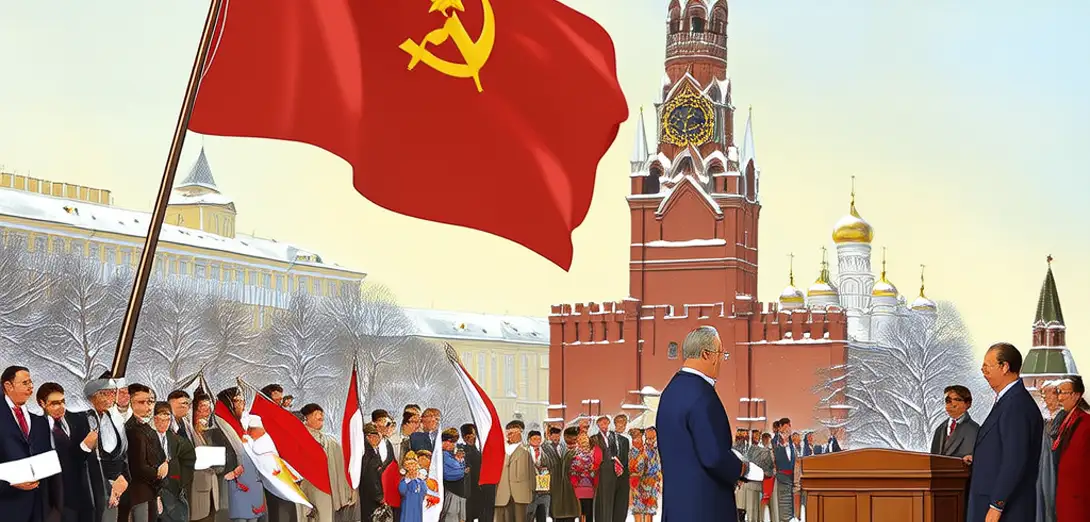
On December 25, 1991, Mikhail Gorbachev resigned as Soviet president, and the red flag was lowered from the Kremlin.1991年12月25日,米哈伊尔·戈尔巴乔夫辞去苏联总统职务,克里姆林宫降下红旗。
-
Fifteen republics—including Ukraine, Kazakhstan, and Georgia—declared full sovereignty within weeks of the USSR’s formal end.包括乌克兰、哈萨克斯坦和格鲁吉亚在内的十五个共和国,在苏联正式解体后数周内宣布完全主权。
-
Russian leaders scrambled to control nuclear weapons scattered across newly independent nations like Belarus and Ukraine.俄罗斯领导人紧急接管散落在白俄罗斯、乌克兰等新独立国家的核武器。
-
Economic shock therapy replaced central planning overnight, causing hyperinflation and empty store shelves across the region.经济‘休克疗法’一夜之间取代中央计划,导致整个地区恶性通胀、商店货架空空如也。
-
Baltic states celebrated regained independence with singing festivals and restored pre-Soviet flags raised in Tallinn and Riga.波罗的海国家通过歌唱节庆祝重获独立,塔林和里加重新升起苏联前国旗。
-
In Central Asia, former Communist officials simply renamed themselves presidents and kept old party networks intact.在中亚,前共产党官员仅改头换面为总统,保留原有政党网络。
-
The Commonwealth of Independent States formed as a loose forum, but real power now flowed from capitals like Astana and Tashkent.独联体作为松散论坛成立,但实际权力已转向阿斯塔纳、塔什干等首都。
-
NATO expanded eastward slowly, provoking suspicion in Moscow about Western intentions toward former Soviet lands.北约缓慢东扩,引发莫斯科对西方意图染指前苏联领土的疑虑。
-
Ethnic tensions once suppressed by Moscow erupted in Nagorno-Karabakh and Transnistria, sparking frozen conflicts.曾遭莫斯科压制的民族矛盾在纳戈尔诺-卡拉巴赫和德涅斯特河沿岸爆发,酿成‘冻结冲突’。
-
The Soviet collapse didn’t bring instant democracy—it opened space for new identities, new elites, and new uncertainties.苏联解体并未带来即时民主,而是为新身份、新精英与新不确定性腾出空间。