正在确认阅读权限…
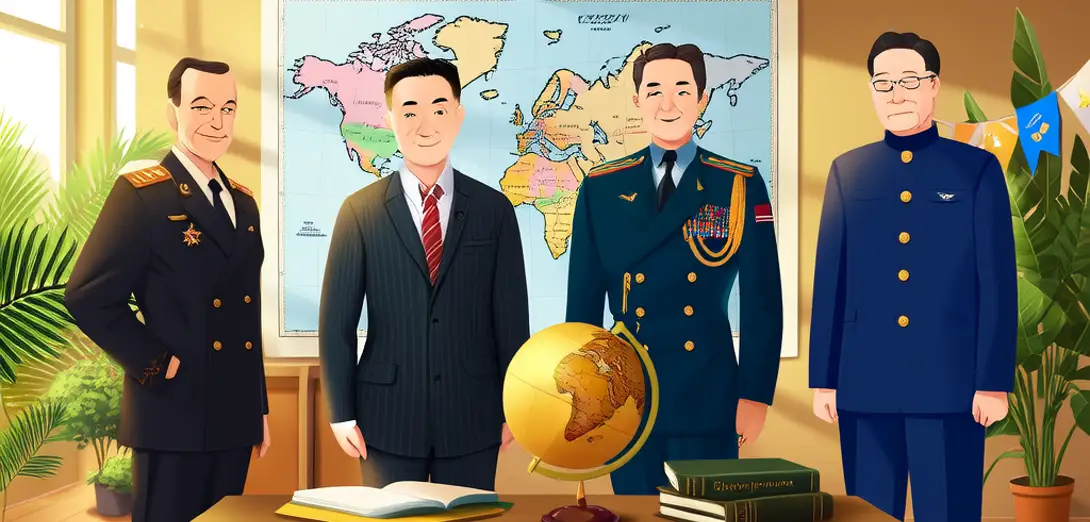
Allied Unity and the Postwar Order
盟军合作与战后秩序
-
The U.S., UK, USSR, and China formed the ‘Big Four’ Allies, coordinating strategy despite deep ideological differences.美国、英国、苏联和中国组成‘四大盟国’,虽意识形态迥异,仍协调战略。
-
At Yalta and Potsdam in 1945, leaders divided Germany into zones and planned trials for Nazi war criminals.1945年雅尔塔会议和波茨坦会议期间,各国领导人划分德国占领区,并筹划对纳粹战犯的审判。
-
The United Nations was founded in San Francisco to replace the failed League of Nations and prevent future wars.联合国在旧金山成立,旨在取代失败的国际联盟,防止未来战争。
-
The Bretton Woods Conference created the IMF and World Bank to stabilize currencies and rebuild war-torn economies.布雷顿森林会议创立国际货币基金组织(IMF)和世界银行,以稳定货币并重建战后经济。
-
Marshall Plan aid helped Western Europe recover, while the USSR tightened control over Eastern bloc countries.马歇尔计划援助西欧复苏,而苏联则加强对东欧集团国家的控制。
-
Nuremberg Trials set legal precedents for prosecuting genocide and crimes against humanity.纽伦堡审判为起诉种族灭绝和反人类罪确立了法律先例。
-
Allied cooperation saved lives and ended fascism, but distrust soon hardened into Cold War divisions.盟国合作拯救生命、终结法西斯,但猜忌迅速演变为冷战分裂。
-
Shared wartime sacrifice built temporary unity — yet each power interpreted ‘peace’ through its own national lens.共同的战时牺牲造就了短暂团结——然而各国均依自身国家视角诠释‘和平’。
-
Radio broadcasts, joint parades, and newsreels celebrated victory, masking growing tensions behind the scenes.广播宣传、联合阅兵与新闻影片高调庆祝胜利,却掩盖了幕后的日益紧张。
-
This fragile alliance showed that global problems require cooperation — even among rivals with opposing goals.这一脆弱同盟表明:全球性问题需要合作——即便对手目标截然相反。