正在确认阅读权限…
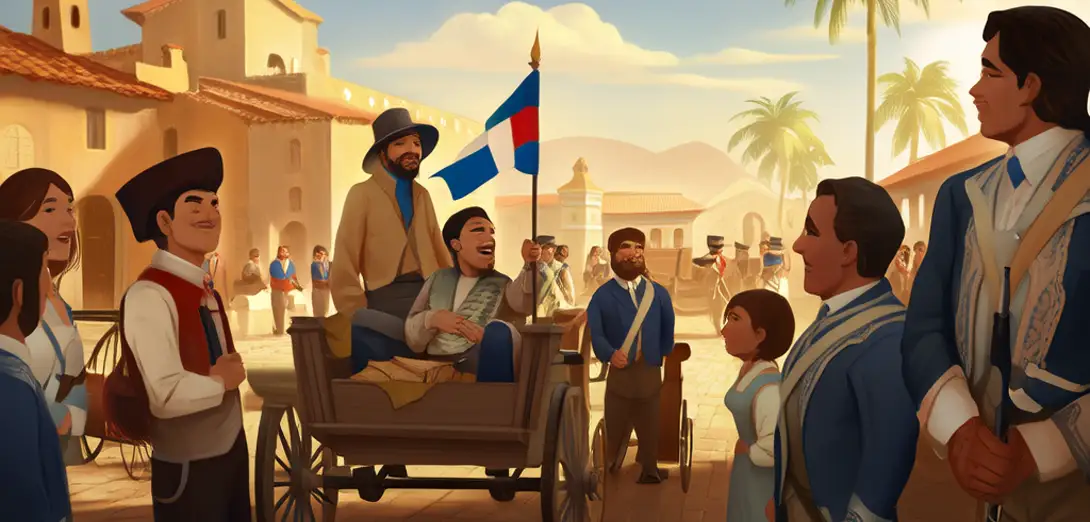
Latin American Independence: Leaders and Legacies
拉丁美洲独立:领袖与遗产
-
Beginning in 1808, revolutions swept Latin America as Spain weakened during the Napoleonic Wars.1808年起,随着西班牙在拿破仑战争中衰弱,拉丁美洲掀起独立革命浪潮。
-
Simón Bolívar liberated Venezuela, Colombia, Ecuador, Peru, and Bolivia — earning the title ‘The Liberator’.西蒙·玻利瓦尔解放了委内瑞拉、哥伦比亚、厄瓜多尔、秘鲁和玻利维亚,被誉为‘解放者’。
-
José de San Martín led armies across the Andes to free Argentina and Chile, then stepped aside for civilian rule.何塞·德·圣马丁率军翻越安第斯山脉,解放阿根廷与智利,随后让位于文官统治。
-
Haiti became the first Black republic in 1804 after enslaved people defeated French colonial forces.1804年,海地奴隶击败法国殖民军,成为首个黑人共和国。
-
Creole elites led most uprisings, yet Indigenous and Afro-descendant groups often fought without gaining rights.克里奥尔精英领导了多数起义,但印第安人和非裔群体常参战却未获权利。
-
New constitutions promised liberty and equality, but land remained concentrated in few hands.新宪法承诺自由与平等,但土地仍高度集中在少数人手中。
-
Portuguese Brazil gained independence peacefully in 1822 under Emperor Pedro I, avoiding long civil wars.葡萄牙属巴西于1822年在佩德罗一世皇帝领导下和平独立,避免了长期内战。
-
Borders drawn hastily caused disputes that lasted decades — some still unresolved today.仓促划定的边界引发持续数十年的争端,部分至今未解。
-
Catholicism stayed central to national identity, though church power gradually declined.天主教仍是国家认同核心,但教会权力逐步衰落。
-
Independence brought sovereignty, but building stable democracies took generations of struggle and reform.独立带来了主权,但建立稳定民主制度历经数代人的斗争与改革。