正在确认阅读权限…
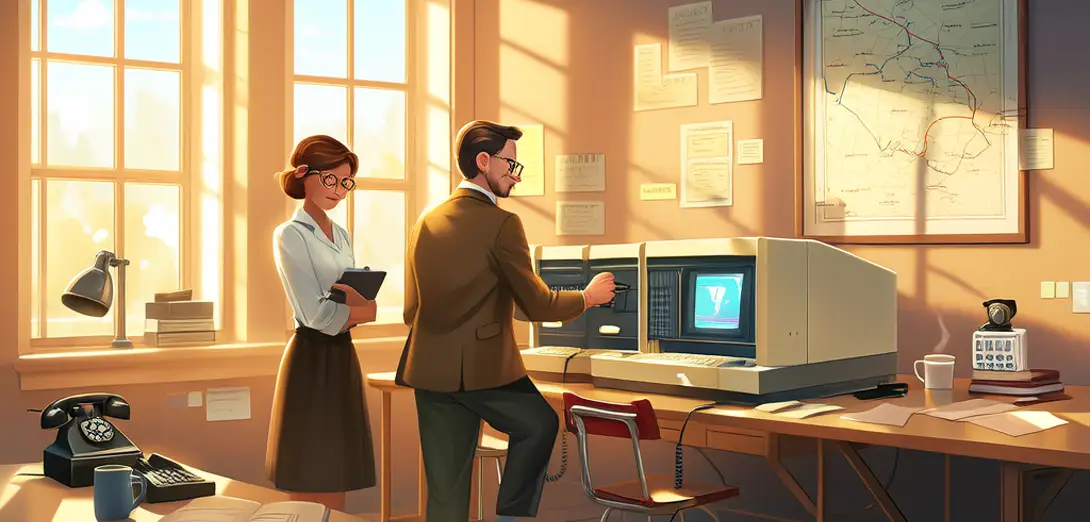
The Internet Dawn: From Labs to Living Rooms
互联网初生:从实验室到起居室
-
In the late 1960s, U.S. researchers built ARPANET to share computing resources between universities and defense labs.20世纪60年代末,美国研究人员建成ARPANET,旨在连接大学与国防实验室,共享计算资源。
-
Tim Berners-Lee invented the World Wide Web in 1989 at CERN, designing URLs, HTML, and HTTP for scientists.蒂姆·伯纳斯-李于1989年在欧洲核子研究中心发明万维网,为科学家设计了URL、HTML和HTTP。
-
The first web browser, Mosaic, launched in 1993 and made the internet visual, fast, and easy for ordinary users.首款图形化网页浏览器Mosaic于1993年发布,让互联网变得直观、快速且易于普通人使用。
-
Dial-up modems connected homes slowly, but email, chat rooms, and basic websites spread rapidly.拨号调制解调器虽上网缓慢,但电子邮件、聊天室和基础网站迅速普及。
-
Online encyclopedias like Nupedia (later Wikipedia) invited public contributions, challenging traditional knowledge authority.《努佩迪亚》(后发展为维基百科)等在线百科全书开放公众编辑,挑战传统知识权威。
-
Small businesses opened virtual storefronts, while newspapers added online editions to reach wider audiences.小企业开设虚拟 storefront,报纸也推出网络版以触达更广泛读者。
-
Governments started offering services online, from tax filing to passport applications, increasing transparency.各国政府开始在线提供服务,从报税到护照申请,提升了政务透明度。
-
Yet digital divides grew — rural areas and poorer countries lagged in access and technical training.然而数字鸿沟加剧——农村地区及欠发达国家在接入和技能培训上明显滞后。
-
Early internet culture valued openness and collaboration, though commercial interests soon reshaped its direction.早期互联网文化崇尚开放与协作,但商业利益很快重塑了其发展方向。
-
What began as a tool for experts became a global platform for learning, connection, and creative expression.这一最初专为专家设计的工具,最终演变为全球性的学习、连接与创意表达平台。