正在确认阅读权限…
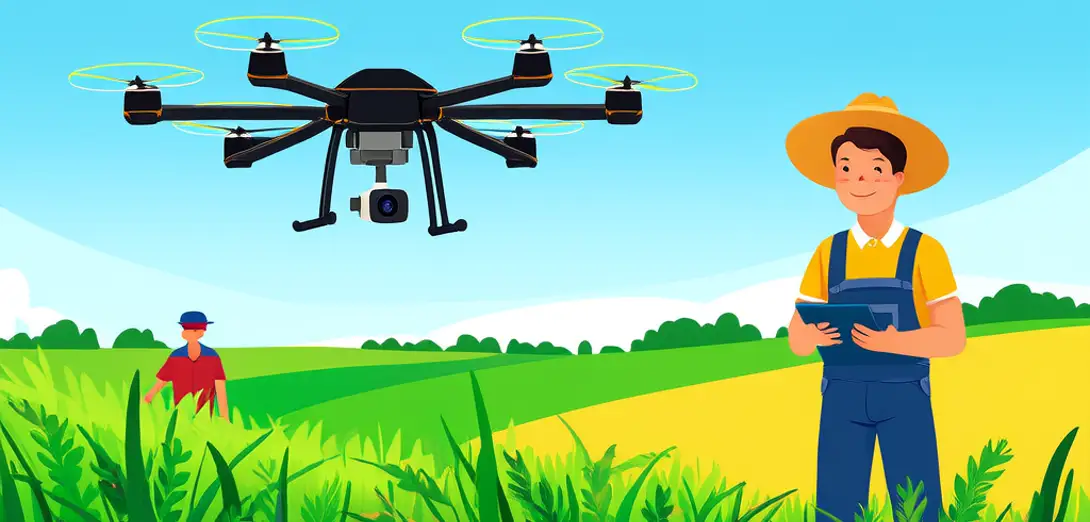
Agricultural Drones and Variable-Rate Fertilization
农业无人机喷洒与变量施肥
-
Instead of applying fertilizer evenly across an entire field, modern drones use multispectral cameras to assess crop health zone by zone.现代无人机不再在整个田块均匀施肥,而是利用多光谱相机逐区评估作物健康状况。
-
Healthy green areas reflect more near-infrared light, while stressed or sparse patches show different spectral signatures.健康的绿色区域反射更多近红外光,而受胁迫或稀疏的区域则呈现不同的光谱特征。
-
Based on this data, software generates precise application maps that tell drones exactly how much nitrogen or phosphorus each sub-area needs.软件依据该数据生成精准施用地图,指导无人机为每个子区域精确施加所需氮肥或磷肥量。
-
Onboard GPS and real-time sensors allow drones to adjust spray nozzles mid-flight, matching dosage to plant density and soil type.机载GPS与实时传感器使无人机能在飞行中动态调节喷头,使施肥量匹配植株密度与土壤类型。
-
This method cuts fertilizer use by 15–30%, reducing runoff into rivers and lowering farmers’ input costs.该方法可减少15%至30%的肥料用量,降低流入河流的径流量,并节省农民投入成本。
-
Drones also monitor pests and irrigation gaps, capturing changes faster than ground scouts or satellites.无人机还能监测病虫害与灌溉漏洞,其响应速度远超地面巡查员或卫星。
-
Small farms benefit especially — one drone operator can manage 200+ hectares daily, replacing hours of manual scouting.小农户尤其受益——一名无人机操作员每天可管理200公顷以上农田,替代数小时人工巡查。
-
Regulations require certified pilots and approved chemicals, but battery life and weather sensitivity remain practical limits.法规要求操作员持证上岗并使用获批药剂,但电池续航与天气敏感性仍是现实限制。