正在确认阅读权限…
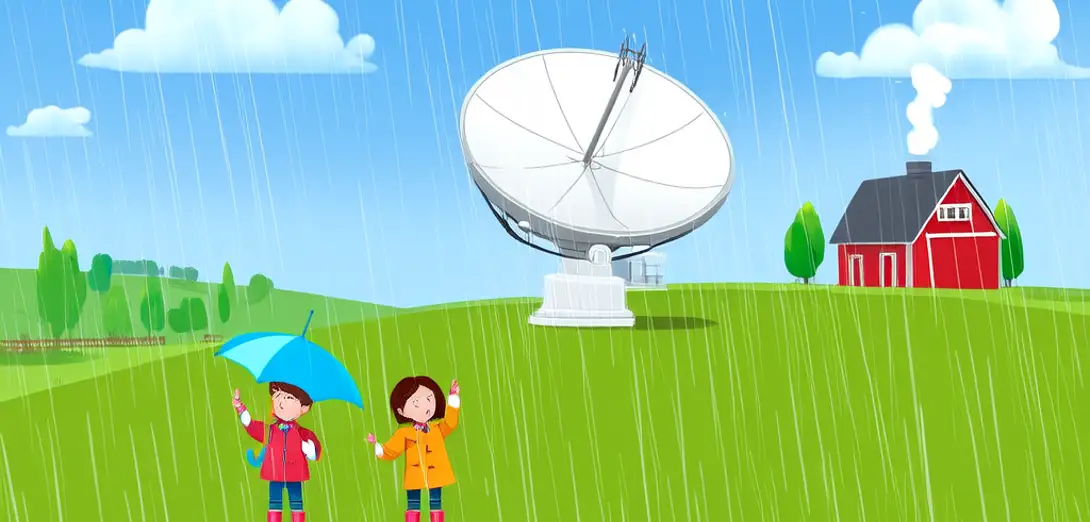
How Weather Radar Detects Rain Intensity and Movement
气象雷达如何探测降雨强度与移动
-
Weather radar sends out microwave pulses that bounce off raindrops in the sky.天气雷达发射微波脉冲,这些脉冲会从空中的雨滴上反射回来。
-
By measuring how much energy returns and how long it takes, computers calculate distance and intensity.通过测量返回能量的强弱和所需时间,计算机可计算出距离和降水强度。
-
Larger or more numerous drops reflect stronger signals, showing heavy versus light rain.雨滴越大或越多,反射信号越强,从而区分暴雨与小雨。
-
Doppler radar also detects motion, so it can track storm movement and rotation speed.多普勒雷达还能探测运动,因此可追踪风暴移动方向和旋转速度。
-
Meteorologists combine data from many radars to build real-time national precipitation maps.气象学家整合多个雷达的数据,生成实时全国降水图。
-
This helps issue flash flood warnings hours before heavy rain reaches cities.这有助于在强降雨抵达城市前数小时发布山洪预警。
-
Radar cannot see inside mountains, so gaps exist in terrain-heavy regions.雷达无法穿透山脉,因此地形复杂区域存在观测盲区。
-
New dual-polarization radars send both horizontal and vertical pulses for better drop shape analysis.新型双偏振雷达同时发射水平和垂直脉冲,以更准确分析雨滴形状。
-
They distinguish rain from hail, snow, or even birds flying near airports.它能区分降雨、冰雹、降雪,甚至机场附近的飞鸟。
-
Though powerful, radar still needs ground sensors to confirm rainfall amounts accurately.尽管功能强大,雷达仍需地面传感器来精确验证实际降水量。