正在确认阅读权限…
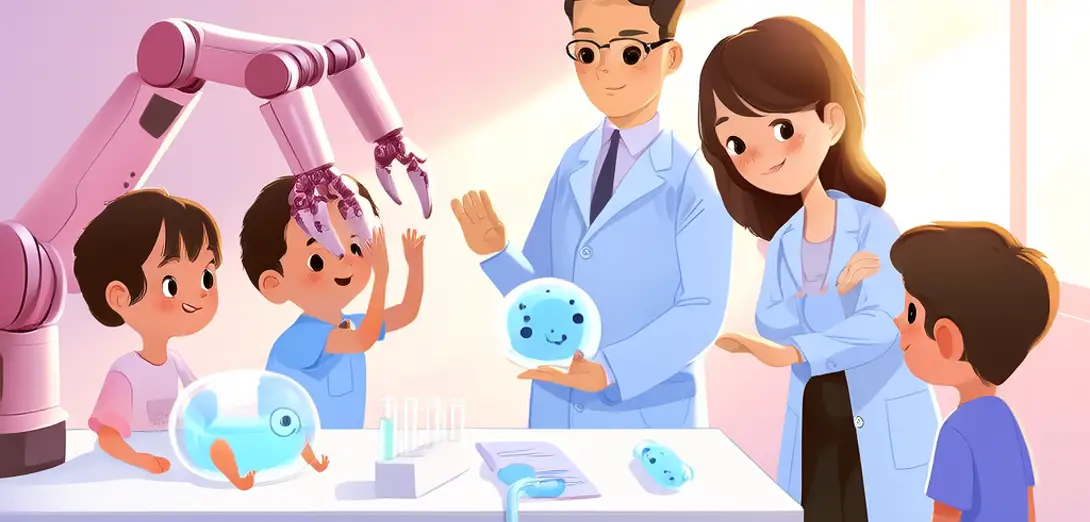
Soft Robots in Medicine, Exploration, and Everyday Assistance
软体机器人在医疗、探索与日常辅助中的应用
-
Soft robots are made from flexible materials like silicone, rubber, or hydrogels instead of rigid metal.软体机器人由硅胶、橡胶或水凝胶等柔性材料制成,而非刚性金属。
-
Because they bend and squeeze safely, doctors use them for delicate surgeries inside the human body.因其能安全弯曲和挤压,医生将其用于人体内部的精细手术。
-
Some soft grippers handle fragile objects like grapes or lab-grown tissues without damage.一些柔性夹持器可无损抓取葡萄或实验室培育的组织等易碎物体。
-
NASA tests inflatable soft robots for exploring caves on Mars where hard robots might get stuck.NASA正在测试可充气软体机器人,用于探索火星洞穴——硬质机器人在此易被困住。
-
Others crawl through collapsed buildings after earthquakes to search for survivors quietly.另一些则能在地震后坍塌的建筑中悄然爬行,搜寻幸存者。
-
Unlike traditional robots, they don’t need complex joints or heavy motors to move.与传统机器人不同,它们无需复杂关节或重型电机即可运动。
-
Many use air pressure, fluid flow, or electric currents to change shape slowly and precisely.许多依靠气压、流体流动或电流缓慢而精准地改变形状。
-
Students build basic versions using 3D-printed molds and everyday tubing in classroom labs.学生在课堂实验室中用3D打印模具和日常管材制作基础版本。
-
Their quiet operation and gentle touch make them ideal for elder-care assistance too.其安静运行和轻柔触感也使其成为老年护理辅助的理想选择。
-
While still developing, soft robotics opens doors where stiffness once limited possibility.尽管仍在发展中,软体机器人正打开以往因刚性而受限的新可能。