正在确认阅读权限…
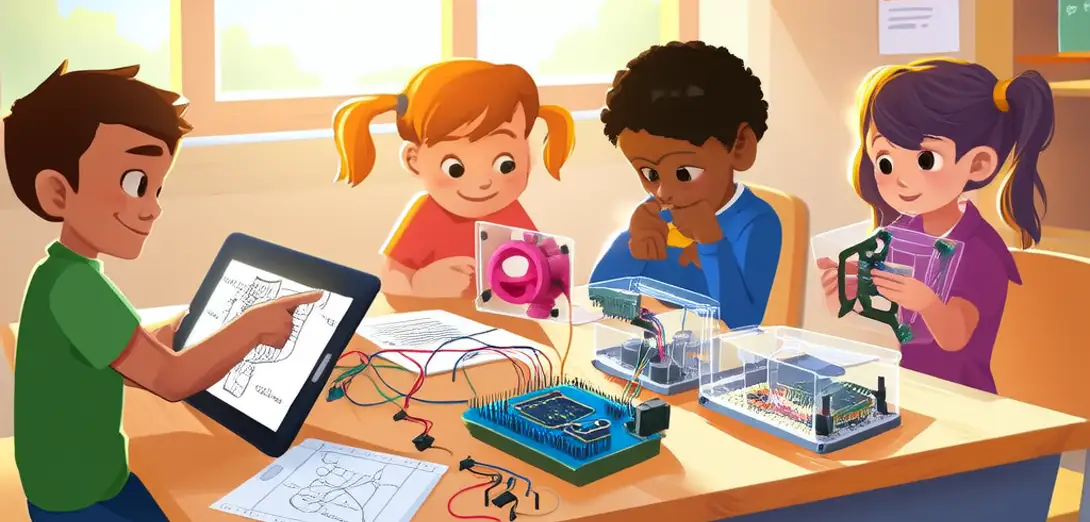
Getting Started with Open-Source Hardware in Maker Education
开源硬件与创客教育入门
-
Open-source hardware means its design files, code, and schematics are free for anyone to view, use, and improve.开源硬件指其设计文件、代码和电路图均可免费供任何人查看、使用和改进。
-
Popular boards like Arduino and Raspberry Pi let students build real electronics without factory tools.Arduino 和树莓派等热门开发板,让学生无需工厂级工具即可制作真实电子设备。
-
Teachers use them to teach coding, circuits, and problem-solving through hands-on projects.教师通过动手项目,用它们教授编程、电路和问题解决能力。
-
A student might program a sensor to measure classroom temperature and display it on an LED screen.学生可编写程序,让传感器测量教室温度,并在LED屏上显示结果。
-
Unlike closed devices, open hardware invites debugging, customization, and peer collaboration.与封闭式设备不同,开源硬件鼓励调试、定制和同伴协作。
-
School makerspaces often stock shared toolkits so learners borrow parts instead of buying new ones.学校创客空间常配备共享工具包,学生可借用零件而非自行购买。
-
Online communities share step-by-step guides, so beginners can replicate and then modify projects.在线社区提供分步指南,初学者能先复现再修改项目。
-
Even young learners start with visual programming before moving to text-based C or Python.即便是低龄学习者,也从图形化编程起步,再过渡到基于文本的C或Python语言。
-
This approach builds confidence because failure becomes part of learning—not a dead end.这种教学方式能增强信心,因为失败成为学习过程的一部分,而非终点。
-
As costs drop and resources grow, open hardware is reshaping how STEM is taught worldwide.随着成本降低和资源增多,开源硬件正重塑全球STEM教育模式。