正在确认阅读权限…
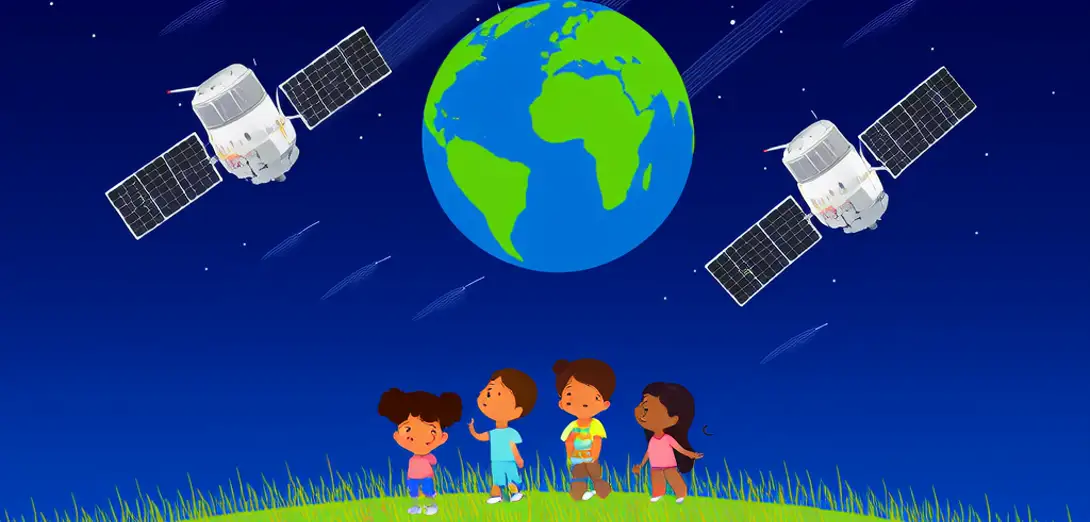
Why Satellites Orbit Earth Without Falling Down
为什么卫星能绕地球运行不掉下来
-
Satellites stay in orbit because they move forward so fast that Earth’s gravity pulls them into a curved path instead of straight down.卫星能保持在轨道上,是因为其前进速度极快,使地球引力将其拉入一条弯曲路径,而非直线下坠。
-
This balance between forward velocity and gravitational pull creates continuous free-fall around the planet.这种前向速度与引力之间的平衡,形成了围绕地球持续的自由落体运动。
-
Low Earth orbit satellites travel about 17,500 miles per hour to maintain stable circular paths.近地轨道卫星以约每小时17500英里的速度运行,以维持稳定的圆形轨道。
-
If they moved slower, gravity would dominate and bring them down; if faster, they’d drift away into space.若速度过慢,引力将占主导并使其坠落;若过快,则会脱离轨道飞向太空。
-
Orbital height matters too—higher orbits require less speed but take longer to circle Earth.轨道高度也很关键——高度越高,所需速度越低,但绕地球一圈耗时越长。
-
Engineers calculate precise launch angles and velocities using Newton’s laws and Einstein’s relativity corrections.工程师依据牛顿定律并结合爱因斯坦相对论修正,精确计算发射角度和速度。
-
Atmospheric drag is minimal above 120 miles, allowing satellites to orbit for years without propulsion.120英里以上大气阻力极小,卫星无需推进即可运行数年。
-
Solar radiation pressure and gravitational tugs from the Moon or Sun cause tiny orbital changes over time.太阳辐射压及月球或太阳的引力扰动,会随时间造成微小的轨道变化。
-
Ground stations track positions and occasionally fire small thrusters to adjust orbits as needed.地面站持续跟踪卫星位置,并在必要时点火微调轨道。
-
This delicate dance of motion and gravity lets satellites deliver GPS, weather data, and global communications reliably.正是这种运动与引力之间精妙的平衡,让卫星得以可靠提供GPS、气象数据和全球通信服务。