正在确认阅读权限…
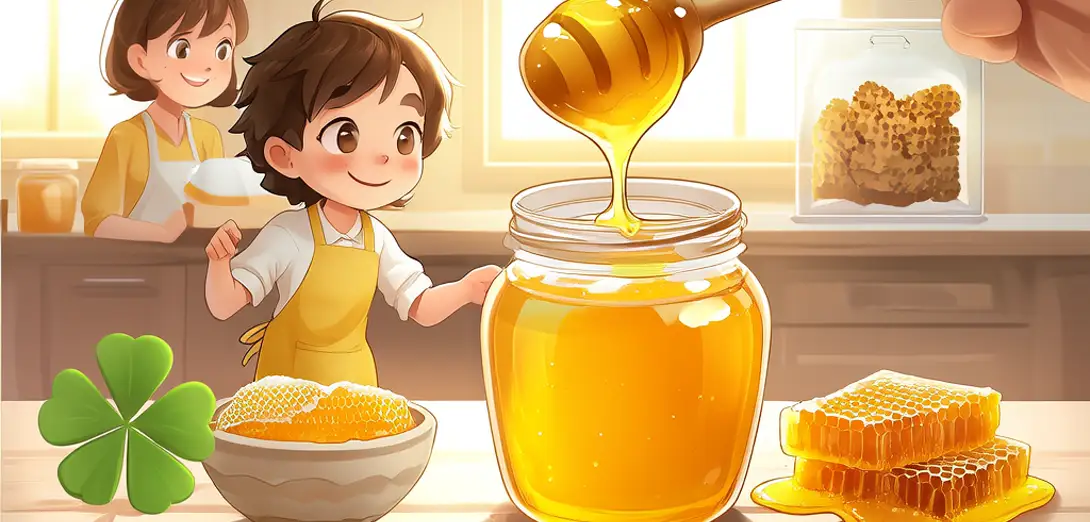
Why Honey Resists Spoilage Almost Indefinitely
为什么蜂蜜几乎不变质
-
Honey has very low water content, usually below 18%, which prevents most microbes from growing.蜂蜜含水量极低,通常低于18%,能抑制大多数微生物生长。
-
Its high sugar concentration creates osmotic pressure that pulls water out of bacterial cells.其高糖浓度产生渗透压,使细菌细胞失水。
-
Bees add an enzyme called glucose oxidase to nectar, which produces hydrogen peroxide slowly.蜜蜂将一种名为葡萄糖氧化酶的酶加入花蜜,缓慢生成过氧化氢。
-
This mild antiseptic compound inhibits microbial growth without harming humans.这种温和的抗菌成分能抑制微生物生长, yet 对人体无害。
-
Honey is also naturally acidic, with a pH between 3.2 and 4.5, too low for many pathogens.蜂蜜本身呈酸性,pH值在3.2至4.5之间,多数病原体无法在此环境下存活。
-
Even ancient honey found in Egyptian tombs remained edible after thousands of years.甚至在埃及古墓中发现的数千年历史的蜂蜜仍可食用。
-
Crystallization doesn’t mean spoilage—it’s just glucose forming solid particles over time.结晶并非变质,只是葡萄糖随时间推移析出形成固体颗粒。
-
Storing honey in airtight containers keeps moisture out and preserves its stability.将蜂蜜存于密封容器中可隔绝水分,保持其稳定性。
-
Unlike fruit juices or milk, honey lacks nutrients that fast-growing bacteria need.与果汁或牛奶不同,蜂蜜缺乏快速繁殖细菌所需的营养物质。
-
Modern food scientists use honey’s preservation traits to develop natural food preservatives.现代食品科学家正利用蜂蜜的防腐特性开发天然食品防腐剂。