正在确认阅读权限…
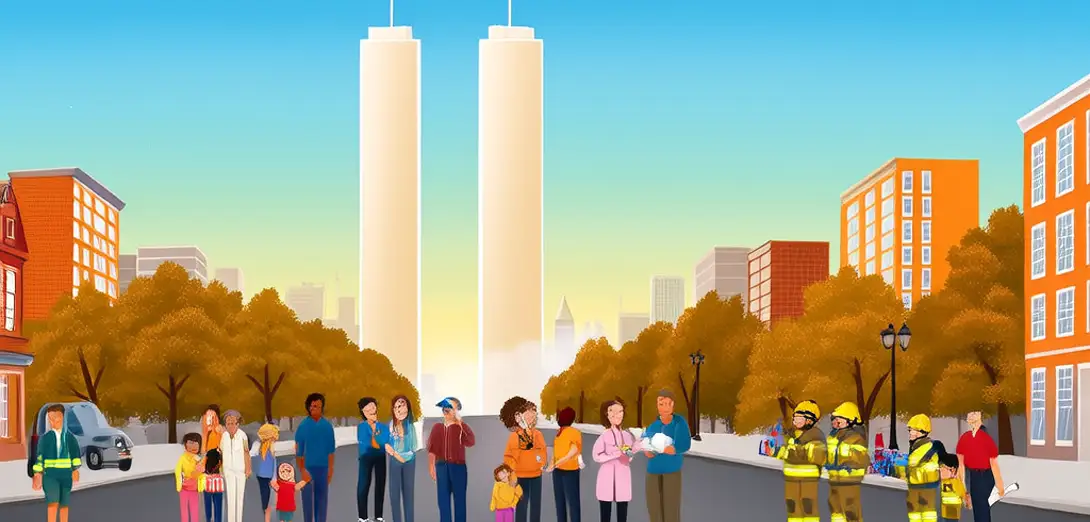
9/11 and the Global Shift in Security Policy
911事件与安全政策讨论
-
On September 11, 2001, hijacked planes struck the World Trade Center, the Pentagon, and a field in Pennsylvania—killing nearly 3,000 people from 90 nations.2001年9月11日,劫持飞机撞击纽约世贸中心、五角大楼及宾夕法尼亚州一处田野,造成近3000人遇难,死者来自90个国家。
-
Within weeks, the U.S. launched the ‘War on Terror’, invading Afghanistan to dismantle al-Qaeda and remove the Taliban regime that hosted it.数周内,美国发动‘反恐战争’,入侵阿富汗,旨在瓦解基地组织并推翻庇护该组织的塔利班政权。
-
Homeland Security became a cabinet-level department, coordinating airports, border checks, emergency response, and cyber defense nationwide.国土安全部升格为内阁级部门,统筹全国机场安检、边境检查、应急响应与网络防御。
-
Passengers now remove shoes, limit liquids, and face biometric screening—procedures once rare outside high-risk zones.乘客如今须脱鞋、限制液体携带,并接受生物识别筛查——这些措施过去仅在高风险区域罕见实施。
-
Many countries updated anti-terrorism laws, expanding surveillance powers while sparking debates about privacy versus protection.多国修订反恐法律,扩大监控权限,同时引发隐私权与安全保障孰轻孰重的争论。
-
International cooperation increased: Interpol shared databases, Europol coordinated counter-radicalization programs, and ASEAN launched joint training exercises.国际合作加强:国际刑警组织共享数据库,欧洲刑警组织协调去极端化项目,东盟启动联合反恐演习。
-
Scholars note that security policies also reshaped immigration, education visas, and community policing—sometimes increasing suspicion toward Muslim minorities.学者指出,安全政策也重塑了移民、留学签证及社区警务体系,有时加剧了对穆斯林少数群体的猜疑。
-
Two decades later, policymakers still balance preparedness with civil liberties, asking how to prevent harm without eroding the values security aims to protect.二十年后,政策制定者仍在防范风险与保障公民自由之间寻求平衡:如何在阻止伤害的同时,不损害安全本欲捍卫的价值?