正在确认阅读权限…
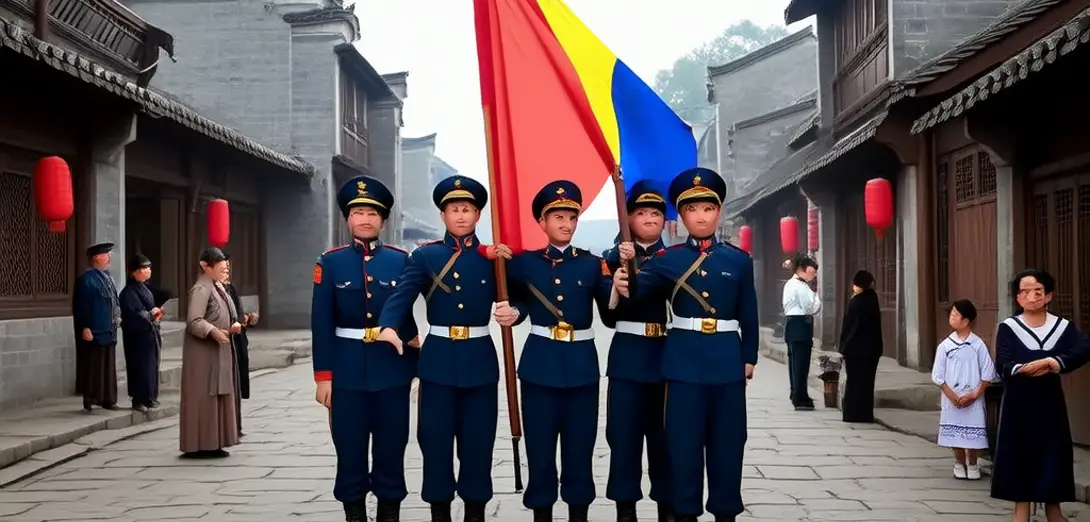
Xinhai Revolution: From Empire to Republic in One Year
辛亥革命:一年之间,帝制到共和
-
On October 10, 1911, a small uprising by revolutionary soldiers in Wuchang quickly ignited nationwide rebellion.1911年10月10日,武昌革命士兵发动的小规模起义迅速引发全国性反清浪潮。
-
Sun Yat-sen’s Tongmenghui united diverse groups—students, secret societies, and provincial elites—around republican ideals.孙中山领导的同盟会以共和理念凝聚学生、秘密会社及地方精英等多元群体。
-
Within months, fourteen provinces declared independence from the Qing dynasty, which had ruled for over 260 years.数月之内,十四省宣布脱离统治逾260年的清朝独立。
-
The Qing court offered a constitutional monarchy, but revolutionaries insisted only a republic would ensure true sovereignty.清廷提出君主立宪方案,但革命派坚持唯有共和国才能实现真正主权。
-
Sun Yat-sen returned from exile and became provisional president of the new Republic of China in January 1912.孙中山结束流亡归国,于1912年1月就任中华民国临时大总统。
-
Emperor Puyi abdicated in February, ending over two millennia of imperial rule in China.溥仪皇帝于2月退位,终结中国延续两千余年的帝制。
-
The revolution succeeded militarily but left deep divisions over how to govern the new republic.革命虽获军事胜利,却在新共和国如何治理问题上留下深刻分歧。
-
Regional warlords soon challenged central authority, revealing the gap between republican theory and practice.地方军阀很快挑战中央权威,暴露共和理想与现实之间的巨大落差。
-
Still, the shift from emperor to elected leader reshaped political language and civic expectations forever.然而,从皇帝到民选领袖的转变,永久重塑了中国的政治话语与公民期待。
-
Its legacy lives in every Chinese constitution that begins with ‘the people are sovereign.’其遗产体现于每一部以‘主权在民’开篇的中国宪法之中。