正在确认阅读权限…
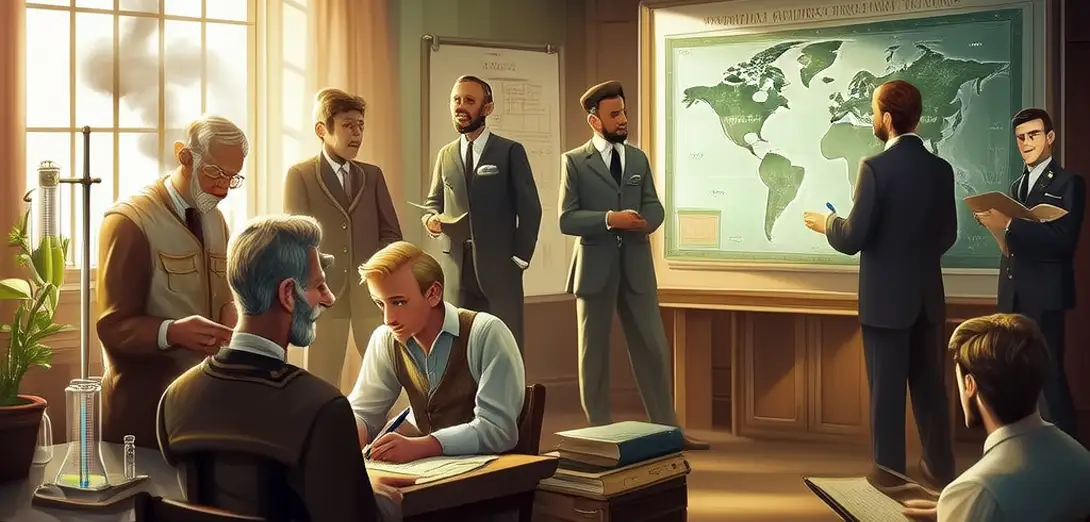
Climate Change Enters Global Politics: From Scientific Warning to Diplomatic Agenda
气候变化进入全球政治:从科学警示到外交议程
-
Scientists first warned of greenhouse gas effects in the 19th century, but governments paid little attention until the 1970s.科学家早在19世纪就警示了温室气体效应,但各国政府直到20世纪70年代才开始重视。
-
The 1988 formation of the IPCC gave climate science an official voice trusted by policymakers worldwide.1988年政府间气候变化专门委员会(IPCC)成立,为气候科学提供了全球政策制定者信赖的官方声音。
-
At the 1992 Rio Earth Summit, over 170 nations signed the UNFCCC, accepting shared but differentiated responsibilities.1992年里约地球峰会期间,170多个国家签署《联合国气候变化框架公约》,承认‘共同但有区别的责任’。
-
The 1997 Kyoto Protocol set binding emissions targets for industrialized countries, though the U.S. never ratified it.1997年《京都议定书》为发达国家设定了具有法律约束力的减排目标,但美国始终未批准。
-
Rising sea levels, droughts, and extreme weather made climate impacts visible far beyond laboratories and reports.海平面上升、干旱和极端天气使气候影响远超实验室与报告,变得清晰可见。
-
Developing nations insisted rich countries bear historical responsibility for most emissions and fund adaptation.发展中国家坚持发达国家应承担历史排放主要责任,并出资支持适应行动。
-
The 2015 Paris Agreement marked a breakthrough by requiring all nations—rich and poor—to submit climate plans.2015年《巴黎协定》取得突破,要求所有国家——无论贫富——提交本国气候行动计划。
-
Its success depends not on enforcement but on transparency, peer review, and regular global stocktakes.其成效不依赖强制执行,而取决于透明度、同行审议及定期全球盘点。
-
Climate policy now intersects with trade, security, migration, and energy justice in complex ways.气候政策如今已与贸易、安全、移民和能源公平等领域深度交织。
-
What began as a technical concern has become central to how states define national interest and global duty.最初仅属技术性议题的气候变化,如今已成为各国界定国家利益与全球责任的核心。