正在确认阅读权限…
The Age of Exploration and the Columbian Exchange
大航海时代与物种交换
-
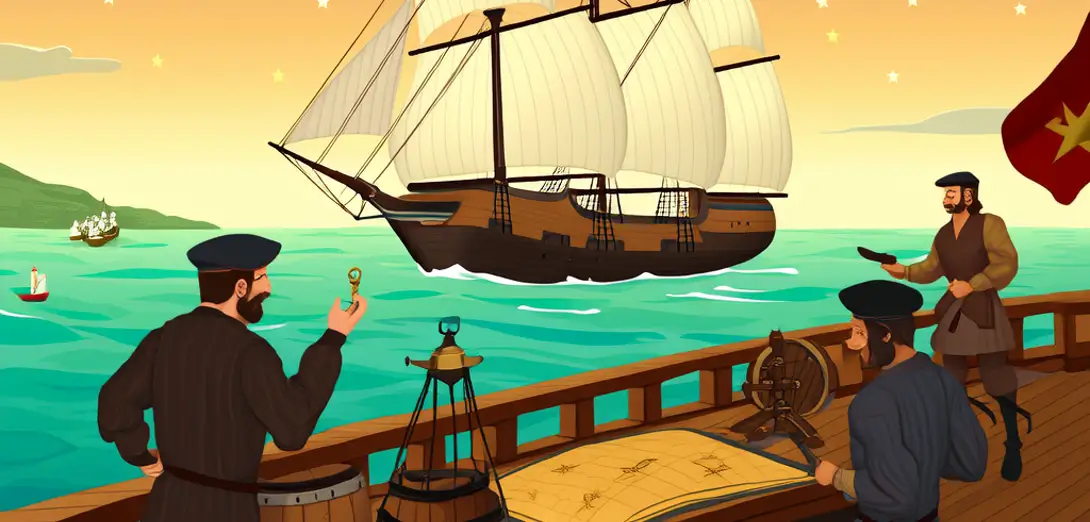
Starting in the late 1400s, European sailors crossed oceans using improved maps, compasses, and stronger ships.从15世纪晚期起,欧洲航海家凭借改良的地图、罗盘和更坚固的船只横渡大洋。
-
Columbus’s 1492 voyage accidentally linked the Americas with Europe, Africa, and Asia—starting a global transfer of plants, animals, and diseases.哥伦布1492年的航行意外地将美洲与欧洲、非洲和亚洲连接起来,开启了全球范围的动植物及疾病大交换。
-
Wheat, horses, and cattle traveled westward, changing farming and transportation for Indigenous peoples across the Americas.小麦、马匹和牛群西传,改变了美洲原住民的农业方式和交通运输。
-
Meanwhile, potatoes, maize, tomatoes, and chili peppers spread eastward, boosting diets and populations in Europe and Asia.与此同时,马铃薯、玉米、番茄和辣椒东传,丰富了欧洲和亚洲的饮食结构,推动人口增长。
-
Smallpox and measles, carried unknowingly by Europeans, killed up to 90% of some Native American communities within decades.欧洲人无意携带的天花和麻疹,在数十年内导致部分美洲原住民社群人口锐减高达90%。
-
Sugar plantations in the Caribbean relied on enslaved Africans, whose knowledge of tropical crops helped reshape global agriculture.加勒比地区的甘蔗种植园依赖非洲奴隶劳力,他们对热带作物的耕作知识重塑了全球农业格局。
-
This exchange did not happen evenly—it favored colonizers’ interests while disrupting ecosystems and societies worldwide.这场交换并不均衡——它偏向殖民者的利益,同时扰乱了全球的生态系统与社会结构。
-
Still, it marked the beginning of truly interconnected food systems that continue shaping health and trade today.但它标志着真正互联互通的全球食物体系的开端,至今仍在影响人类健康与国际贸易。