正在确认阅读权限…
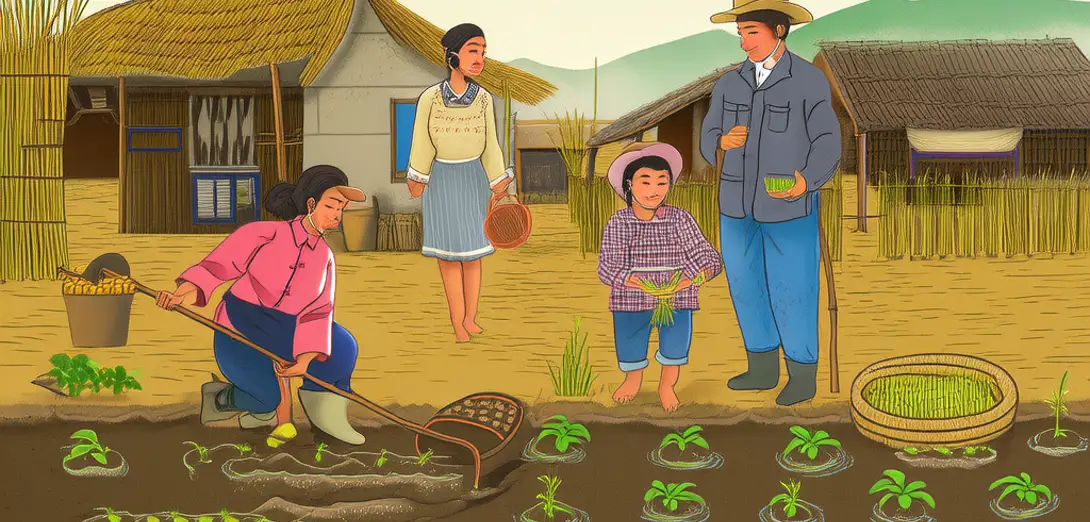
Land Reform and Village Life in Transition
土地改革与农村结构变化
-
After major revolutions in China, Mexico, and Vietnam, governments redistributed farmland from wealthy landlords to poor peasants.在中国、墨西哥和越南发生重大革命后,各国政府将地主的农田重新分配给贫困农民。
-
In China’s 1950 land reform, officials held village meetings where tenants publicly named abuses and claimed ownership of plots they had tilled for generations.1950年中国土地改革中,干部在村里召开会议,佃农当众控诉地主暴行,并主张世代耕种的土地归自己所有。
-
New property certificates replaced old deeds, giving legal rights to families who previously rented land under uncertain contracts.新颁发的土地证取代了旧地契,使此前仅凭不稳定租约耕种土地的家庭获得了法律认可的土地权利。
-
Some landlords resisted, while others adapted by joining cooperatives or moving to towns to work in factories.部分地主抵制改革,另一些则通过加入合作社或迁往城镇进厂务工来适应新变化。
-
Village committees took charge of irrigation, seed distribution, and literacy classes—expanding local governance beyond traditional elders.村委会负责灌溉管理、种子发放和扫盲教学,使基层治理范围超越了传统长老权威。
-
Yet uneven implementation caused confusion, and by the late 1950s, collectivization shifted focus from individual plots to communal farms.然而,政策执行不均导致混乱,到20世纪50年代末,集体化转向以公社农场取代个体耕作。
-
Still, the early reforms broke centuries-old hierarchies and allowed women to register land in their own names for the first time.尽管如此,早期改革打破了延续数百年的等级制度,首次允许女性以个人名义登记土地。
-
Today, scholars use rural archives to trace how those changes affected education, marriage patterns, and long-term economic mobility.如今,学者利用农村档案追踪这些变革对教育、婚姻模式及长期经济流动性的深远影响。