正在确认阅读权限…
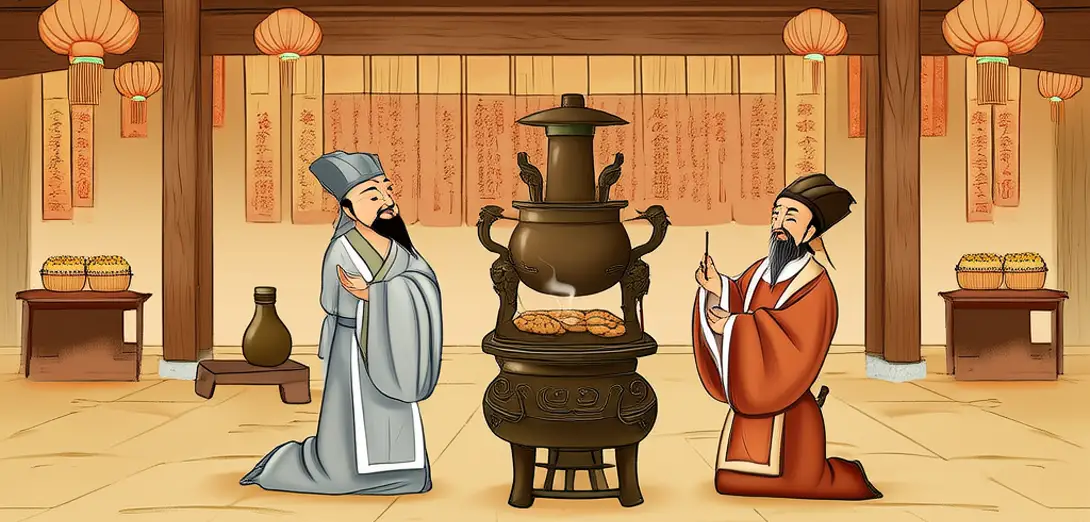
Bronze Ritual Vessels and Zhou Dynasty Order
青铜器礼制与周代秩序
-
During China’s Zhou Dynasty (1046–256 BCE), bronze vessels like ding cauldrons and gui bowls played central roles in ancestral ceremonies.中国周代(公元前1046–256年),鼎、簋等青铜器在祖先祭祀中居核心地位。
-
Each vessel type followed strict rules—size, decoration, and inscription length all reflected the owner’s rank and clan status.每类器物均有严格规制——尺寸、纹饰与铭文长短皆体现拥有者的身份与宗族地位。
-
Inscriptions cast inside bronzes recorded royal grants, military victories, or family lineages, making them early historical documents.青铜器内铸铭文,记载王室赏赐、战功或家族世系,堪称早期历史文献。
-
Craftsmen worked in state workshops under noble supervision, turning copper and tin into objects meant to honor gods and ancestors—not for daily use.工匠在贵族监督下的官营作坊中,将铜锡铸成敬神尊祖之器,而非日常所用。
-
Ritual banquets reinforced hierarchy: nobles drank wine from specific cups, ate from designated vessels, and recited formal odes together.礼仪宴饮强化等级秩序:贵族依身份使用特定酒器与食器,并共同吟诵雅颂。
-
As Zhou power weakened, regional lords began casting larger, more elaborate bronzes—signaling growing independence and competition.随着周王室衰微,诸侯竞相铸造更大、更繁复的青铜器,彰显日益增强的独立性与彼此竞争。
-
Archaeologists now read inscriptions to reconstruct political alliances, land transfers, and even early forms of legal contracts.考古学家通过释读铭文,重建政治联盟、土地授受乃至早期契约形式。
-
These bronzes remind us that order in ancient states was expressed not only in laws but also in shared symbols and repeated practice.这些青铜器提醒我们,古代国家的秩序不仅体现于律法,更见于共有的符号与反复践行的仪式。