正在确认阅读权限…
The Imperial Examination System and Social Mobility
科举制度与社会流动
-
Starting in China’s Sui Dynasty (581–618), the imperial examination tested candidates on Confucian classics, poetry, and policy essays.科举制始于中国隋朝(581–618年),考试内容包括儒家经典、诗歌和策论。
-
Unlike hereditary appointments, this system allowed sons of farmers or shopkeepers to become government officials—if they passed multiple rounds of rigorous tests.与世袭任命不同,这一制度使农民或商人的子弟也能通过多轮严苛考试成为官员。
-
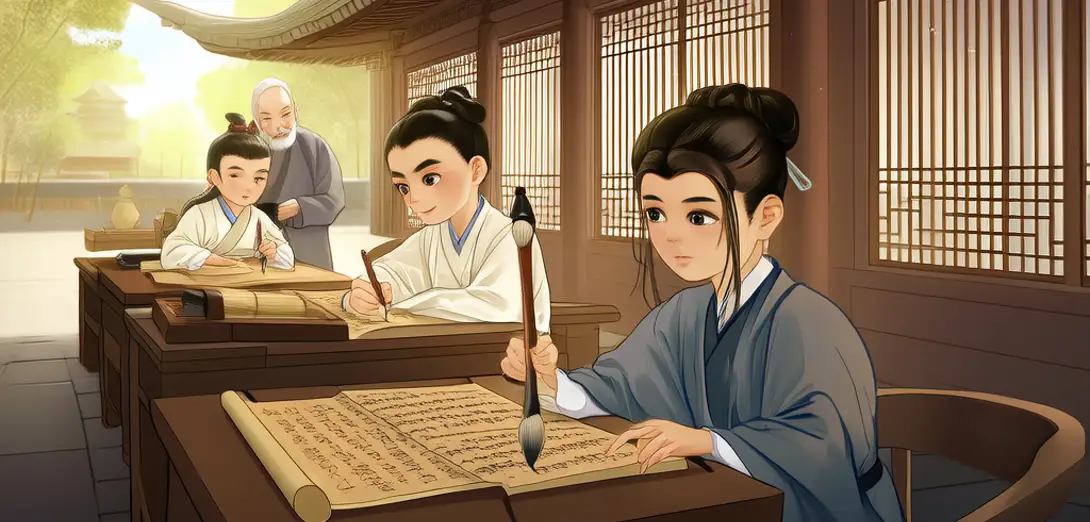
Preparation often took ten years or more, with tutors, study groups, and printed textbooks supporting serious candidates across regions.备考常耗时十年以上,各地考生依靠私塾教师、学习小组和印刷教材刻苦攻读。
-
Exams were held every three years in provincial capitals and Beijing, attracting tens of thousands despite low pass rates and high costs.考试每三年在各省省会及北京举行,尽管录取率低、费用高,仍吸引数万人赴考。
-
Successful graduates received official ranks, tax exemptions, and social prestige—often marrying into elite families soon after passing.及第者获授官职、免征赋税,并享有社会声望,常于登科后迅速与世家联姻。
-
Critics noted that memorization outweighed creativity, and wealthy families still held advantages in tutoring and travel support.批评者指出,考试偏重死记硬背,且富裕家庭在师资与赴考经费上仍有优势。
-
Still, the system lasted over 1,300 years and inspired civil service exams in Korea, Vietnam, and eventually Britain and the United States.尽管如此,该制度延续逾1300年,并影响了朝鲜、越南,乃至英国与美国的文官考试制度。
-
Its legacy lives on in standardized testing, merit-based hiring, and ongoing debates about fairness in education access.其遗产至今体现于标准化考试、择优录用,以及关于教育机会公平性的持续讨论中。