正在确认阅读权限…
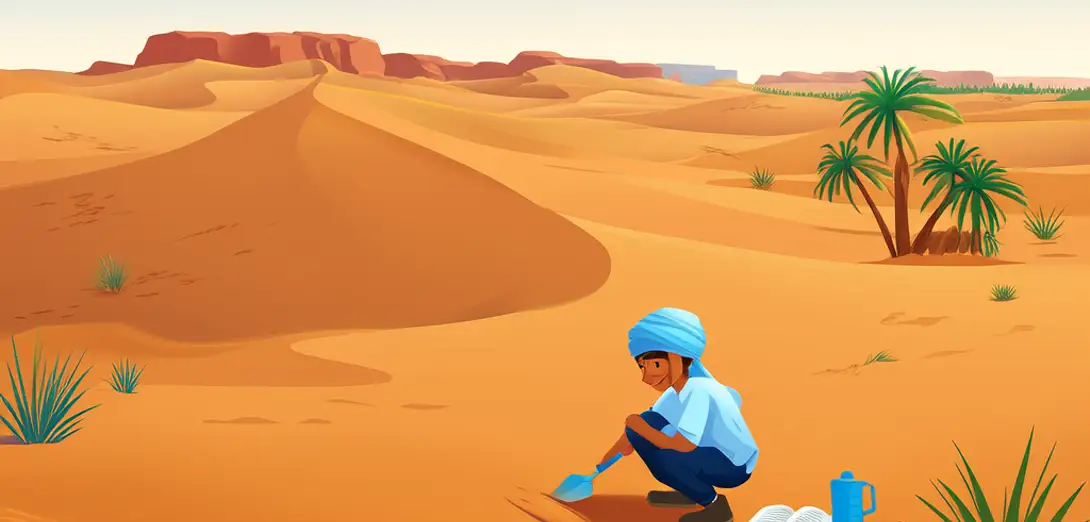
Rub' al Khali Desert Expansion in the Arabian Peninsula
阿拉伯半岛鲁卜哈利沙漠扩张
-
The Rub' al Khali—the Empty Quarter—is the world’s largest continuous sand desert, covering over 650,000 km² across four countries.鲁卜哈利沙漠(即‘空旷之地’)是全球面积最大的连续沙质沙漠,横跨四国,面积逾65万平方公里。
-
Satellite data shows its sandy margins creeping northward at an average rate of 15 meters per year since 2000, swallowing marginal grasslands.卫星数据显示,自2000年以来,其沙质边缘正以年均15米的速度向北推进,吞噬边缘草原。
-
This expansion links closely to reduced winter rainfall from weakening Mediterranean cyclones and hotter, drier summers.这一扩张与地中海气旋减弱导致的冬季降雨减少,以及更炎热干燥的夏季密切相关。
-
Overgrazing by camels and goats removes stabilizing vegetation, allowing wind to mobilize loose topsoil into shifting dunes.骆驼和山羊过度放牧破坏固沙植被,使风力得以将松散表土卷起,形成移动沙丘。
-
Traditional Bedouin knowledge warns that certain lichen-covered stones once marked reliable wells—now buried under new dune fields.贝都因人传统知识曾指出,某些覆盖地衣的石头曾标记可靠水井——如今已被新沙丘掩埋。
-
Desertification maps overlay groundwater decline: aquifers tapped for date orchards and dairy farms fall faster than natural recharge allows.荒漠化地图与地下水下降趋势重叠:为枣园和奶牛场开采的含水层,其消耗速度远超自然补给能力。
-
Solar-powered desalination plants supply cities, but their brine outflow harms coastal ecosystems without strict dilution controls.太阳能海水淡化厂为城市供水,但若缺乏严格稀释管控,其浓盐废水会损害沿海生态系统。
-
Researchers test drought-tolerant native shrubs like ghaf trees to anchor dunes and restore minimal soil structure.研究人员正试验耐旱本土灌木(如盖夫树),以固定沙丘并初步恢复土壤结构。
-
Urban centers like Riyadh import food instead of expanding farmland, indirectly slowing desert encroachment on cropland.利雅得等城市依靠粮食进口而非扩大耕地,间接减缓了沙漠对农田的侵蚀。
-
Slowing the Empty Quarter’s growth demands regional cooperation—not just on water policy, but on sustainable pastoralism too.遏制‘空旷之地’扩张需区域协作——不仅限于水资源政策,也包括可持续游牧管理。