正在确认阅读权限…
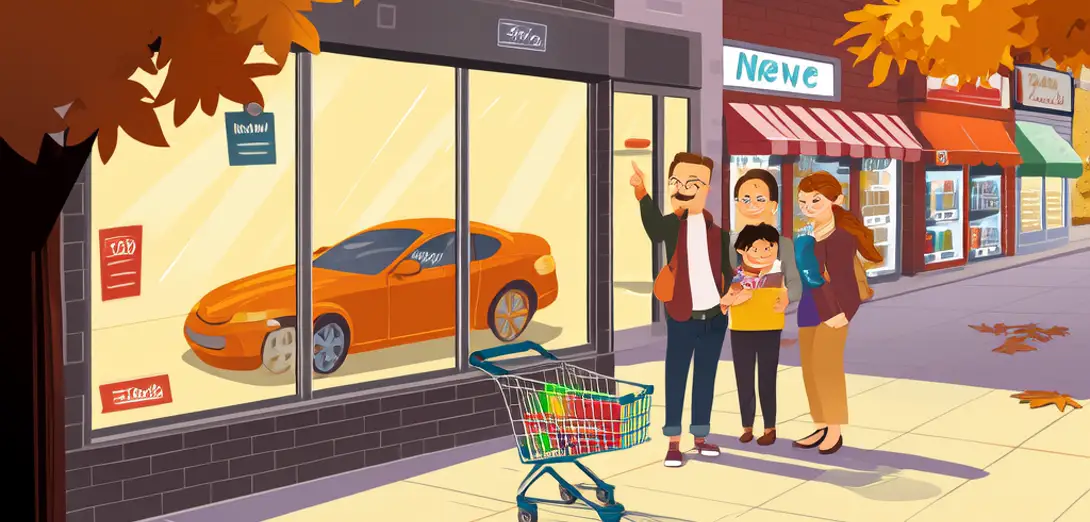
Deflationary Expectations and Delayed Consumer Spending
通缩预期与推迟消费
-
When people expect prices to fall, they often delay major purchases hoping for lower costs later.当人们预期物价下跌时,往往会推迟大额消费,期待日后价格更低。
-
This behavior reduces current demand, which can deepen deflationary pressure across the economy.这种行为会降低当前需求,加剧整个经济的通缩压力。
-
Firms respond by cutting output, wages, and investment, worsening the cycle further.企业随之削减产量、工资和投资,进一步恶化通缩循环。
-
Central banks find it harder to stimulate spending when nominal interest rates hit zero.当名义利率触及零下限时,央行刺激支出的难度加大。
-
Households with debt suffer more because falling prices increase real debt burdens.背负债务的家庭受冲击更大,因为物价下跌推高了实际债务负担。
-
Prolonged deflation expectations erode business confidence and long-term planning horizons.长期通缩预期会削弱企业信心,缩短长期规划视野。
-
Index-linked wages or contracts can help buffer workers but are uncommon in many sectors.与物价挂钩的工资或合同可缓解工人压力,但在许多行业并不常见。
-
Media reports and past price trends shape how strongly consumers internalize deflation fears.媒体报道和过往价格走势会影响消费者对通缩担忧的内化程度。
-
Fiscal stimulus may be more effective than monetary policy during entrenched deflationary expectations.在根深蒂固的通缩预期下,财政刺激可能比货币政策更有效。
-
Breaking the cycle requires restoring confidence that prices will stabilize or rise modestly.打破这一循环,关键在于重建人们对物价将企稳或温和上涨的信心。