正在确认阅读权限…
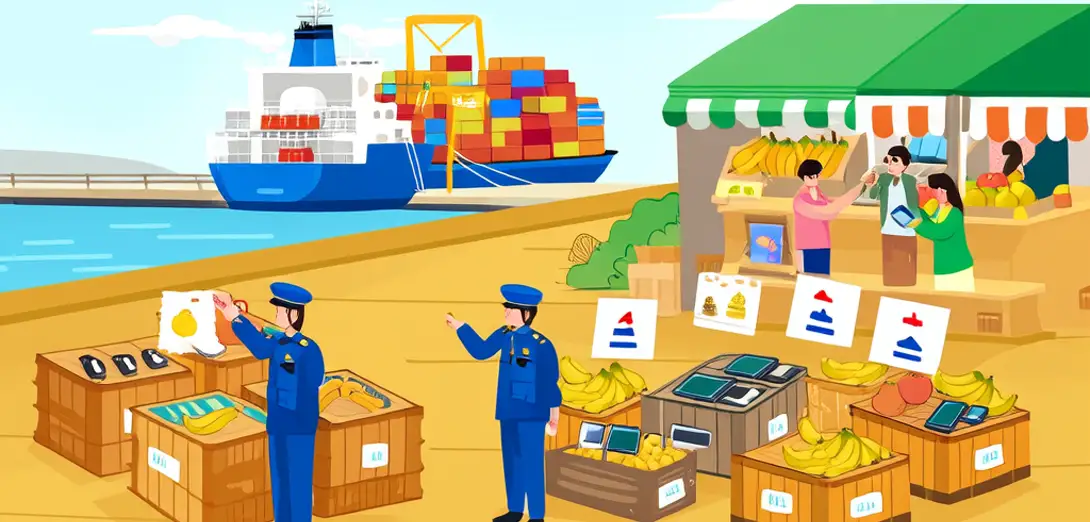
Tariffs Raise Domestic Prices by Reducing Import Competition
关税通过削弱进口竞争抬高国内价格
-
A tariff is a tax on imported goods, collected at the border before products enter the domestic market.关税是对进口商品征收的税,于商品进入国内市场前在边境征收。
-
By raising import prices, tariffs make foreign goods less attractive compared to similar domestic ones.通过抬高进口商品价格,关税使外国商品相比同类国产商品吸引力下降。
-
Domestic producers then gain pricing power and may raise their own prices without losing all customers.国内生产商因此获得定价权,可在不流失全部客户的情况下提高自身产品价格。
-
Consumers pay more overall, not just for imports but also for domestically made substitutes facing less competitive pressure.消费者整体支出增加,不仅体现在进口商品上,也体现在竞争压力减小的国产替代品上。
-
Even if tariffs target only certain countries, global supply chains mean price effects spread across many products.即便关税仅针对特定国家,全球供应链仍会使价格影响扩散至众多商品。
-
Exporters in tariff-imposing countries often face retaliatory duties, hurting domestic farmers and manufacturers abroad.加征关税国家的出口商常面临报复性关税,损害本国海外农民和制造商利益。
-
The deadweight loss arises because some mutually beneficial trades no longer occur due to artificially high prices.无谓损失源于人为高价导致部分互利贸易无法发生。
-
Revenue from tariffs goes to the government, but it rarely offsets the broader welfare loss to households and businesses.关税收入归政府所有,但通常远不足以弥补家庭和企业承受的整体福利损失。
-
Small open economies feel tariff impacts more sharply because they depend heavily on imported inputs and export markets.小型开放经济体受关税冲击更明显,因其高度依赖进口投入品和出口市场。
-
Policymakers must compare targeted industrial benefits against widespread consumer costs and trade relationship risks.政策制定者须权衡特定产业受益与广泛消费者成本及贸易关系风险。