正在确认阅读权限…
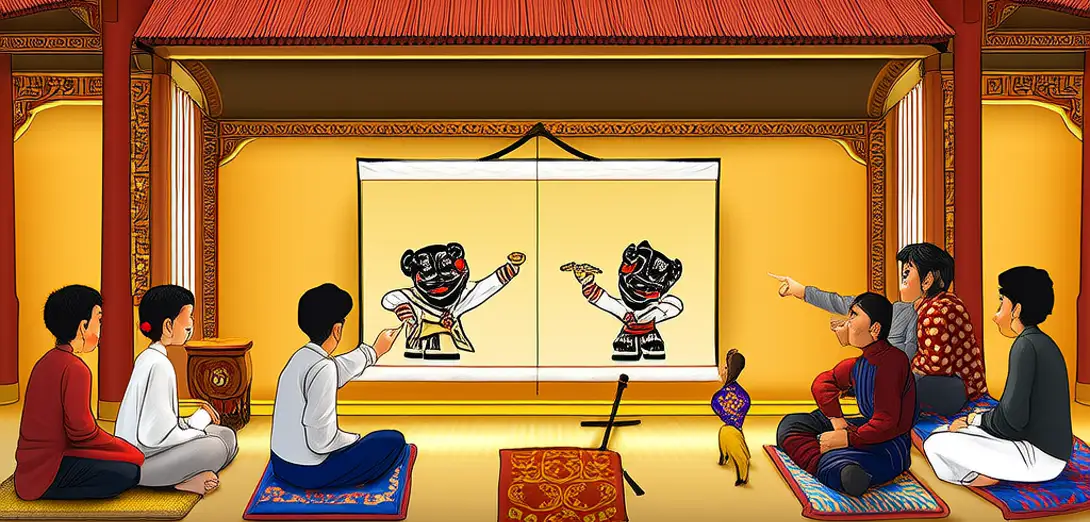
Indonesian Wayang Kulit: Shadow Puppetry as Constitutional Discourse
印尼哇扬皮影戏:作为宪法话语的皮影戏
-
Yogyakarta’s royal wayang kulit troupes don’t perform myths—they stage constitutional debates: last year’s ‘Ramayana Reform Act’ production featured shadow puppets arguing judicial review powers using 14th-century Javanese legal metaphors.日惹的皇家皮影戏团不演绎神话,而是上演宪法辩论:去年《罗摩衍那改革法案》演出中,皮影人物用14世纪爪哇法律隐喻辩论司法审查权。
-
When Indonesia’s Constitutional Court reviewed the Omnibus Law in 2023, justices attended a week-long wayang series where puppet movements encoded dissent ratios, precedent citations, and procedural irregularities.2023年印尼宪法法院审议《综合法》时,法官们观看了为期一周的皮影戏系列演出,其中傀儡动作暗含异议比例、判例援引及程序瑕疵。
-
Digital archivists at Gadjah Mada University map shadow-play gestures onto legal databases—so a specific hand movement during Hanuman’s monologue corresponds to Article 28J paragraph 3 of the Constitution.加查马达大学数字档案员将皮影戏手势映射至法律数据库——例如哈奴曼独白时的特定手部动作对应宪法第28J条第3款。
-
Jakarta’s new Supreme Court building includes a dedicated wayang chamber where judges convene before landmark rulings—viewing performances that reinterpret precedent through ancient narrative logic.雅加达新最高法院大楼内设专属皮影剧场,法官在作出重大裁决前在此集会,通过古老叙事逻辑重新诠释判例。
-
Academic journals now publish ‘wayang annotations’ alongside legal opinions, translating judicial reasoning into shadow-theater vocabulary for public legal literacy campaigns.学术期刊如今随法律意见同步刊发‘皮影注释’,将司法推理转化为皮影戏语言,助力公众法治素养提升。
-
When regional autonomy conflicts arise, local governments commission custom wayang scripts—using regional puppet styles to visualize federalism tensions without triggering political censorship.地方自治权冲突出现时,地方政府委托定制皮影剧本,借地域性傀儡风格具象化联邦制张力,规避政治审查。
-
UNESCO’s 2024 intangible heritage report highlights wayang’s role in constitutional pedagogy: 78% of Indonesian law students cite puppetry as their primary framework for understanding separation of powers.联合国教科文组织2024年非物质遗产报告指出,皮影戏在宪法教育中作用突出:78%的印尼法学专业学生视其为理解三权分立的核心框架。
-
Diaspora communities in Rotterdam and Sydney host ‘constitutional wayang’ nights, projecting shadow plays onto embassy walls to debate citizenship rights using Balinese and Sundanese legal traditions.鹿特丹与悉尼的印尼侨民社区举办‘宪法皮影夜’,将皮影戏投射于使馆墙面,借巴厘岛与巽他法律传统探讨公民权利。
-
AI tools trained on 12,000 hours of wayang recordings now generate real-time legal metaphor suggestions for parliamentary drafters—blending ancient rhetorical forms with modern statutory language.基于1.2万小时皮影录音训练的AI工具,可为议会起草者实时生成法律隐喻建议,融合古代修辞形式与现代成文法语言。
-
The Indonesian Bar Association requires new advocates to apprentice with master dalangs (puppeteers), treating narrative competence as foundational to legal reasoning.印尼律师协会要求新执业律师师从资深达朗(皮影大师),将叙事能力视为法律推理的根基。
-
What appears as folk entertainment operates as Indonesia’s most sophisticated constitutional interface—where light, shadow, and gesture constitute binding interpretive grammar.看似民间娱乐的皮影戏,实为印尼最精妙的宪法交互界面——光影与姿态共同构成具有约束力的解释语法。
-
Wayang endures because it makes abstraction tangible: every flicker of light negotiates power, every puppet’s pivot reconfigures sovereignty, and every audience gasp becomes part of living law.皮影戏历久弥新,正因其使抽象概念具象化:每一道光斑都在协商权力,每一具傀儡的转动都在重构主权,每一次观众的惊叹都成为活态法律的一部分。