正在确认阅读权限…
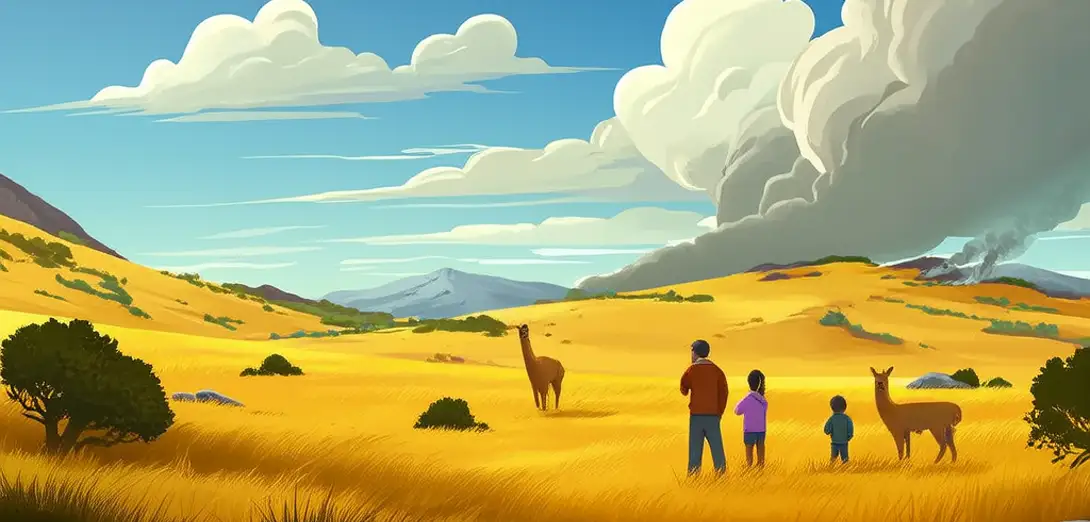
Patagonian Steppe Fire Regimes: Wind-Driven Ignition and Post-Fire Cultural Memory
巴塔哥尼亚草原火制度:风驱点火与灾后文化记忆
-
In Argentina’s Neuquén province, wildfires now ignite spontaneously during föhn-driven wind gusts exceeding 120 km/h—conditions previously rare before 2010.在阿根廷内乌肯省,焚风驱动的阵风时速超过120公里,已导致野火自发燃起——此类情况在2010年前极为罕见。
-
Mapuche communities distinguish fire types by sound, smoke color, and ash texture, assigning each a specific ritual response tied to ancestral land stewardship covenants.马普切社群依据火声、烟色与灰烬质地区分火种,并为每种火匹配特定仪式回应,呼应祖先土地守护契约。
-
Post-fire recovery prioritizes native grass seeding over exotic forage, reversing decades of agricultural subsidy logic that favored erosion-prone monocultures.灾后恢复优先播撒本土草种,而非外来牧草,扭转了数十年来倾向易致水土流失单一作物的农业补贴逻辑。
-
Fire scar mapping reveals a 400% increase in lightning-ignited blazes since 2016, yet 78% of burned area occurs within 5 km of paved roads—highlighting human ignition vectors.火烧迹地测绘显示,自2016年起雷击引发火灾数量增长400%,但78%过火面积集中在硬化道路5公里范围内——凸显人为引火路径。
-
Traditional burning practices, suppressed under colonial forestry laws, are being reintegrated into provincial fire management plans as controlled ‘cool burns’ during low-wind windows.曾遭殖民林政法规压制的传统烧荒实践,正以低风时段实施的可控‘冷烧’形式,重新纳入省级防火管理计划。
-
Archaeological charcoal layers show fire frequency doubled during the Medieval Climate Anomaly—suggesting current regimes may reflect natural variability amplified by infrastructure.考古炭层表明,中世纪气候异常期火灾频次翻倍——暗示当前火情模式或为自然变率叠加基础设施影响所致。
-
Wind tunnel simulations confirm that road alignments now channel gusts into previously sheltered valleys, transforming microclimates overnight.风洞模拟证实,现有道路走向将阵风导入原本避风的山谷,一夜之间重塑局地小气候。
-
Ranchers’ fire-response coordination uses WhatsApp groups synced to regional anemometer networks—not centralized dispatch, but decentralized, terrain-aware vigilance.牧场主依托区域风速计网络同步的WhatsApp群组协调灭火响应——非依赖中心调度,而是分散化、地形感知型警戒。
-
What appears as ecological crisis is also epistemic reclamation: fire is no longer just hazard, but temporal marker anchoring intergenerational land knowledge.表面看是生态危机,实则亦为知识收复:火不再仅是灾害,更成为锚定代际土地认知的时间标记。
-
Insurance models struggle with losses because damage correlates less with flame height than with post-fire wind-scoured soil exposure duration.保险模型难以评估损失,因损害程度与火焰高度关联甚微,而更取决于灾后大风侵蚀裸露土壤的持续时间。
-
Fire ecology here is inseparable from linguistic ecology—Mapudungun verbs encode precise fire behavior untranslatable into Spanish technical terms.此地火生态与语言生态密不可分——马普杜松语动词精准刻画火行为,西班牙语技术术语无法直译。
-
This is geography experienced through breath, heat, and memory—not mapped, but lived in atmospheric tension.这是通过呼吸、热度与记忆体验的地理——不靠地图绘制,而在大气张力中亲历。