正在确认阅读权限…
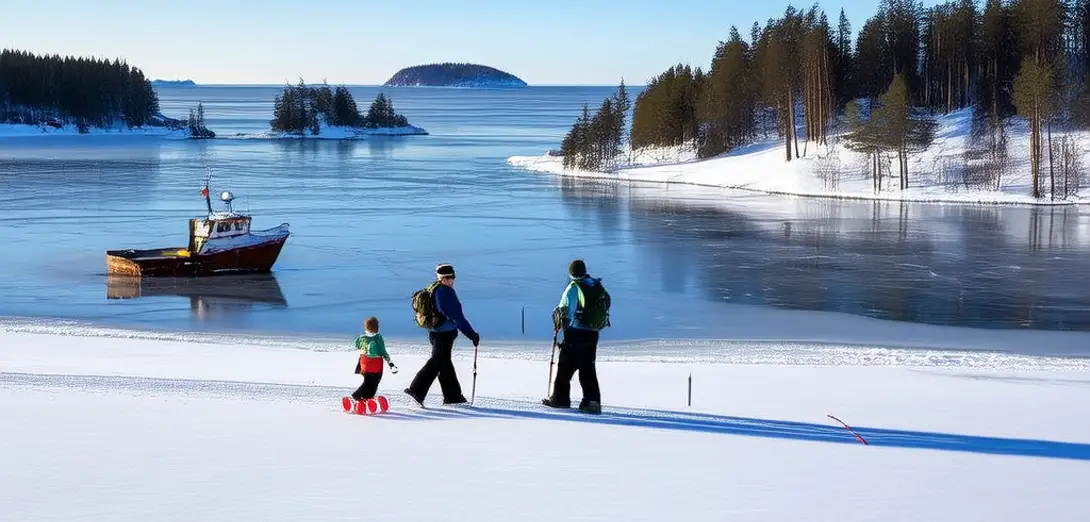
Baltic Sea Archipelago Ice Roads: Frozen Infrastructure and Maritime Sovereignty Negotiations
波罗的海群岛冰路:冰封基础设施与海洋主权协商
-
Each January, Finland’s Åland Islands activate legally sanctioned ice roads connecting 6,700 islands—temporary infrastructure governed by daily thickness measurements and EU maritime safety protocols.每年一月,芬兰奥兰群岛启用法律认可的冰路,连接6700座岛屿——这一临时基础设施依据每日冰层厚度测量数据及欧盟海事安全规范运行。
-
Swedish-speaking islanders maintain ice-road traditions dating to the 18th century, but today’s routes require real-time AIS data integration to avoid shipping lanes frozen beneath surface ice.讲瑞典语的岛民延续着始于18世纪的冰路传统,但如今的路线需实时整合船舶自动识别系统(AIS)数据,以避开表层冰盖下冻结的航运通道。
-
Climate change has shortened the viable ice-road season by 22 days since 1990, forcing municipalities to invest in ice-thickness drones and AI-powered fracture prediction algorithms.自1990年以来,气候变化已使可通行冰路季节缩短22天,迫使地方政府投资冰厚无人机与人工智能驱动的冰裂预测算法。
-
These routes aren’t mere transport links—they’re jurisdictional zones where Finnish domestic law temporarily overrides international maritime conventions on vessel right-of-way.这些路线不仅是交通通道,更是司法管辖区——在此,芬兰国内法暂时凌驾于国际海事公约关于船舶通行权的规定之上。
-
Local cooperatives manage ice-road maintenance using community-owned snowplows calibrated to preserve underlying sea-ice algal communities essential for spring krill blooms.当地合作社使用社区共有的除雪车维护冰路,设备经校准以保护底层海冰藻类群落,而这类群落对春季磷虾繁盛至关重要。
-
When ice fails, ferry subsidies rise—but so do tensions over whether EU cohesion funds should support ‘frozen infrastructure’ or accelerate permanent bridge construction.一旦冰路失效,渡轮补贴上升,但围绕欧盟凝聚基金应资助‘冻态基础设施’还是加速建设永久桥梁的争议也随之加剧。
-
Ice-road opening ceremonies include bilingual (Swedish/Finnish) readings of historic navigation charters, reinforcing cultural continuity amid shifting physical conditions.冰路开通仪式包含双语(瑞典语/芬兰语)宣读历史航海特许状,于物理环境持续变化中强化文化延续性。
-
Maritime insurers now assess risk not by latitude, but by ice-road reliability indices embedded in port tariffs and cargo contracts.海事保险公司如今不再按纬度评估风险,而是依据嵌入港口费率与货运合同中的冰路可靠性指数。
-
What looks like seasonal convenience functions as constitutional negotiation—testing sovereignty claims through embodied, time-bound territorial practice.表面看是季节性便利,实则是宪法层面的协商——通过具身化、有时限的领土实践检验主权主张。
-
Coastal geomorphologists track ice-road failure points to model future coastal erosion patterns, treating thaw lines as diagnostic boundaries.海岸地貌学家追踪冰路失效点,用以建模未来海岸侵蚀模式,并将融冰线视为诊断性边界。
-
This is geography solidified: sovereignty made walkable, law made visible underfoot, and climate change measured in centimeters of clear ice.这是固化的地理:主权变得可步行,法律在脚下清晰可见,气候变化则以透明冰层的厘米级消长来衡量。
-
Here, the sea doesn’t separate—it connects, freezes, and redefines what infrastructure means in liquid modernity.在这里,海洋并非分隔,而是连接、冻结,并在流动的现代性中重新定义基础设施的含义。