正在确认阅读权限…
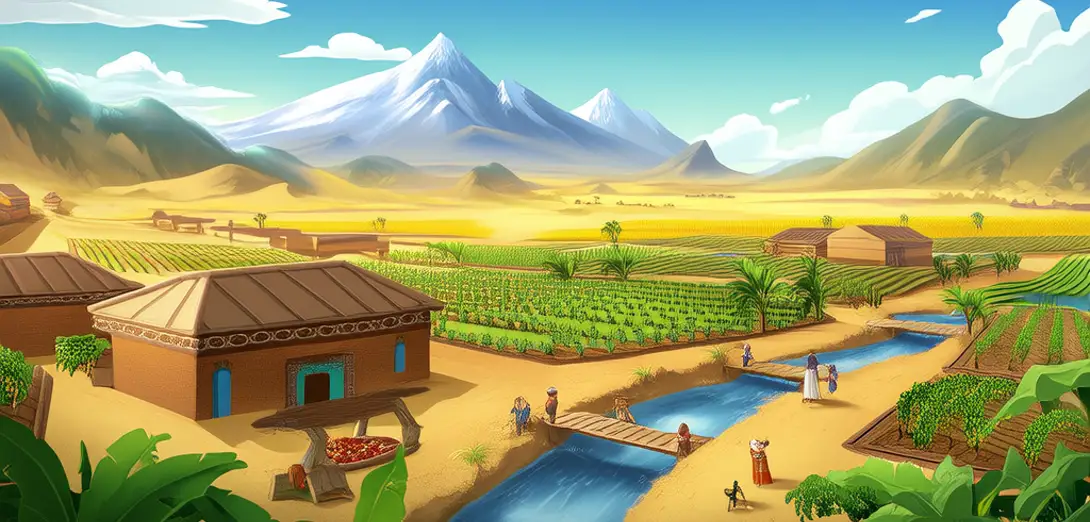
Oasis Hydrology and Uyghur Agrarian Temporalities in Taklamakan’s Southern Rim
塔克拉玛干南缘绿洲水文与维吾尔农耕时间观
-
Along the Taklamakan’s southern rim, Khotan’s oasis villages structure daily life around the precise timing of qanat-fed irrigation rotations.塔克拉玛干沙漠南缘,和田绿洲村落依坎儿井灌溉轮次精确安排日常生活。
-
Water rights are encoded in melodic recitations passed down over centuries, each verse specifying flow volume, duration, and downstream priority.水权以世代传唱的韵律化口诀铭刻,每段歌词明确水量、时长及下游优先级。
-
Unlike calendar-based farming, local agronomy synchronizes planting with glacier-melt pulse peaks observed in upstream mountain streams.当地农耕不依历法,而依上游山涧冰川融水峰值同步播种。
-
Cotton cultivation has intensified pressure on aquifers, yet traditional khans’ courts still adjudicate disputes using sediment-load assessments from hand-dug well shafts.棉花种植加剧了含水层压力,但传统汗王法庭仍凭手挖井壁沉积物评估裁决水事纠纷。
-
Urban expansion into ancient floodplains has severed historical recharge zones, triggering salinization visible in concentric rings of degraded poplar groves.城市向古泛滥平原扩张,切断历史补给区,导致胡杨林呈同心圆状退化并盐渍化。
-
Young farmers now cross-reference ancestral water-almanacs with groundwater-level sensors installed under China’s Ecological Red Line policy.年轻农民如今将祖传水历与生态红线政策下安装的地下水位传感器数据交叉比对。
-
The spatial logic of courtyard gardens reflects hydrological hierarchy: grapevines shade shallow-rooted crops near channels, while deep-rooted jujube trees anchor drier perimeter soils.庭院花园的空间布局体现水文层级:葡萄藤荫蔽渠道旁浅根作物,枣树深根固持外围较干土壤。
-
Festivals like Nowruz incorporate ritual water-sharing that reaffirms communal hydrological accountability beyond administrative boundaries.诺鲁孜节等庆典融入仪式性分水习俗,重申超越行政边界的集体水责任。
-
Hydrological memory persists in textile motifs—ikat patterns replicate seasonal stream braiding, while embroidery maps subterranean flow paths.水文记忆存于织物纹样:艾德莱斯绸模仿季节性河道分汊,刺绣则勾勒地下水流路径。
-
Climate projections suggest a 30% reduction in summer glacial discharge by 2050, forcing recalibration of multi-generational water ethics.气候预测显示,到2050年夏季冰川径流将减少三成,迫使代际传承的用水伦理重新校准。
-
Village councils now convene during low-flow months to revise rotational schedules using both satellite soil-moisture data and elders’ observations of desert fox burrow depth.村议事会在枯水期召开,结合卫星土壤湿度数据与长者对沙狐洞穴深度的观察,修订轮灌日程。
-
This is not adaptation as technical fix—it is temporal recalibration of human rhythm to shifting aquifer breath.这并非技术性适应,而是人类节奏随含水层‘呼吸’变化所作的时间再校准。