正在确认阅读权限…
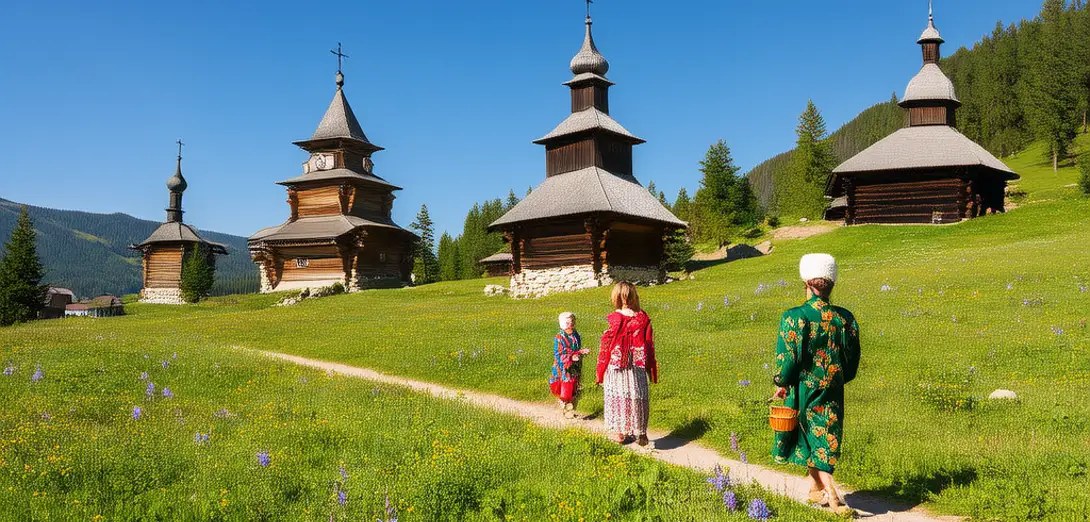
Timber Theology: Slovak Wooden Churches and Vertical Communion in the Carpathians
木构神学:斯洛伐克木教堂与喀尔巴阡山垂直共融
-
Slovak wooden churches—some dating to the 16th century—rise from mountain meadows not as monuments but as calibrated resonators for Carpathian weather and worship.斯洛伐克木制教堂——部分可追溯至16世纪——并非作为纪念碑矗立于高山草甸,而是为喀尔巴阡山的气候与礼拜精心调校的共鸣体。
-
Their triple-tiered roofs mimic layered cloud formations, directing rainwater into stone basins where villagers collect water for baptism and healing rituals.三层叠叠的屋顶模仿层积云形态,将雨水导入石盆,村民从中取水用于洗礼与疗愈仪式。
-
Log joints use no nails but interlocking dovetails, embodying Orthodox theology: divine and human natures united without confusion, without separation.原木接合不使用钉子,仅靠嵌套燕尾榫咬合,体现东正教神学:神性与人性联合而不混淆、不分离。
-
Altars face east not for symbolism alone but because morning light strikes precisely on Easter Sunday, illuminating the iconostasis without artificial aid.圣坛朝东不仅出于象征意义,更因复活节清晨阳光恰好直射其上,无需人工照明即可照亮圣像屏。
-
When fog blankets valleys, bell towers become acoustic anchors—their bronze tones traveling farther than sight, guiding lost shepherds home by sound geometry.当雾气笼罩山谷,钟楼便化作声学锚点——青铜钟声传播远超视线所及,凭声音几何学为迷途牧人引路归家。
-
Communities rebuild collapsed spires not with modern lumber but by identifying fallen ancient pines in nearby forests, matching growth rings to original timber.社区重建坍塌尖塔时不用现代木材,而是深入附近森林寻觅倒伏的古松,依年轮匹配原始木料。
-
Confessionals lack doors; penitents speak into open slots while priests listen from adjacent rooms—privacy maintained through architecture, not enclosure.告解室没有门;忏悔者向敞开的孔洞倾诉,神父在相邻房间聆听——隐私由建筑实现,而非封闭空间。
-
These churches host interfaith gatherings where Lutheran hymns echo beside Greek Catholic chants, their shared timber absorbing doctrinal tension into resonance.这些教堂举办跨信仰聚会,路德宗赞美诗与希腊天主教圣咏彼此回响,共用的木材将教义张力消融为和谐共鸣。
-
Restoration guidelines forbid synthetic preservatives; only locally fermented rye paste and beeswax may seal logs—preserving both structure and microbial symbiosis.修复规范禁止使用合成防腐剂,仅允许本地发酵黑麦糊与蜂蜡封护原木——既保结构,亦护微生物共生关系。
-
Each church’s foundation stones bear inscriptions not of donors but of forest guardians who permitted the trees’ felling, turning ecology into covenant.每座教堂地基石上铭刻的并非捐赠者姓名,而是许可砍伐树木的森林守护者之名,将生态伦理升华为神圣誓约。
-
They stand as vertical archives: faith measured not in dogma but in how deeply roots grip slope, how high rafters reach sky, how long echoes linger in pine walls.它们如垂直档案馆:信仰不以教条衡量,而见于树根扎入山坡之深、桁架伸向天空之高、松木墙中余音萦绕之久。
-
Here, transcendence isn’t ascended to—it’s built, logged, hewn, and lived in daily gravity.在此,超越并非仰望而得——它被建造、被伐木、被雕琢,并在日常重力中真实栖居。