正在确认阅读权限…
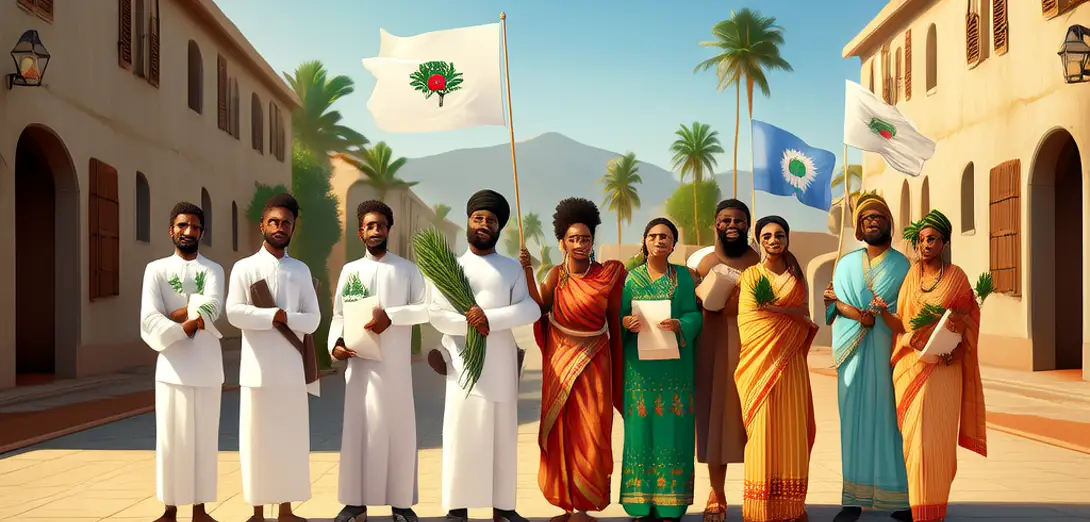
Decolonization: Nations Reclaim Their Futures
去殖民化:各国重掌未来
-
After World War II, colonies across Asia, Africa, and the Caribbean demanded independence from European empires.二战后,亚洲、非洲和加勒比地区的殖民地纷纷要求脱离欧洲帝国独立。
-
India gained freedom in 1947 after decades of nonviolent resistance led by Mahatma Gandhi and the Indian National Congress.印度在甘地和国大党领导的数十年非暴力抗争后,于1947年获得独立。
-
Ghana became the first sub-Saharan African nation to win independence in 1957, inspiring similar movements nearby.加纳于1957年成为撒哈拉以南非洲首个独立国家,激励了周边类似运动。
-
France fought bitter wars in Vietnam and Algeria, but eventually withdrew after heavy losses and global criticism.法国在越南和阿尔及利亚陷入惨烈战争,最终因重大伤亡和国际谴责而撤出。
-
New nations faced huge challenges — building schools, hospitals, and infrastructure without colonial resources or trained staff.新生国家面临巨大挑战——在缺乏殖民时期资源和专业人才的情况下建设学校、医院和基础设施。
-
Some adopted democratic systems; others turned to strong leaders or one-party rule amid instability and poverty.一些国家实行民主制度;另一些则在动荡与贫困中转向强人政治或一党统治。
-
The United Nations supported self-determination, and by 1970 most former colonies had become sovereign states.联合国支持民族自决,至1970年,大多数前殖民地已成为主权国家。
-
Decolonization did not end inequality, but it restored dignity, language, and decision-making to millions of people.去殖民化并未终结不平等,却为数百万人恢复了尊严、语言和自主决策权。