正在确认阅读权限…
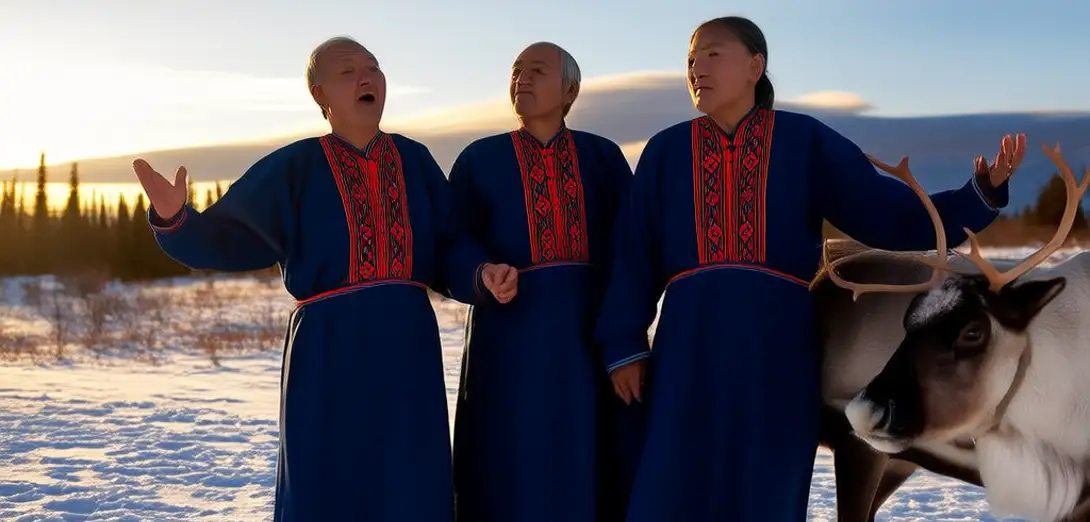
Sámi Yoik Circles: Voices Mapping Arctic Landscapes
萨米约伊克圆圈:用歌声绘制北极地貌
-
Sámi elders teach yoik—a vocal tradition where melody mimics wind, reindeer movement, or mountain contours.萨米族长者传授约伊克——一种以旋律模仿风声、驯鹿行动或山峦轮廓的声乐传统。
-
Unlike Western songs, yoiks don’t tell stories; they *are* the person, place, or animal being honored.与西方歌曲不同,约伊克不讲述故事;它本身就是所敬仰的人、地或动物。
-
In northern Norway, youth gather weekly to yoik rivers they’ve never seen but whose names their grandparents sang.在挪威北部,年轻人每周聚在一起吟唱那些从未见过的河流,却早已从祖父母的歌声中熟稔其名。
-
Each syllable carries tonal shifts that match snowpack density or migratory patterns of wild reindeer.每个音节的声调变化,对应积雪密度或野生驯鹿的迁徙规律。
-
Schools now include yoiking alongside geography lessons, mapping terrain through pitch and pause.如今学校将约伊克纳入地理课,通过音高与停顿来描绘地形。
-
When a yoik fades, listeners don’t applaud—they hum the last note together, extending the sound like shared breath.当一段约伊克结束时,听众不鼓掌,而是齐声轻哼最后一个音,让声音如共呼吸般延续。
-
Recordings from the 1930s reveal how yoiks changed when herding routes shifted due to border policies.1930年代的录音显示,因边境政策导致放牧路线改变,约伊克也随之演变。
-
Digital archives pair audio files with GPS coordinates so young Sámi can ‘hear’ ancestral grazing lands.数字档案将音频文件与GPS坐标关联,让年轻萨米人能‘听见’祖先的放牧之地。
-
A yoik for Lake Inari doesn’t name it—it evokes cold mist rising at dawn and the echo off granite cliffs.一首献给伊纳里湖的约伊克并不点明湖名,而是唤起黎明时分升腾的寒雾与花岗岩崖壁的回响。
-
This is history as sonic cartography: sung, felt, remembered, and renewed.这是声音绘制的历史地图:以歌咏、以体感、以记忆、以更新。