正在确认阅读权限…
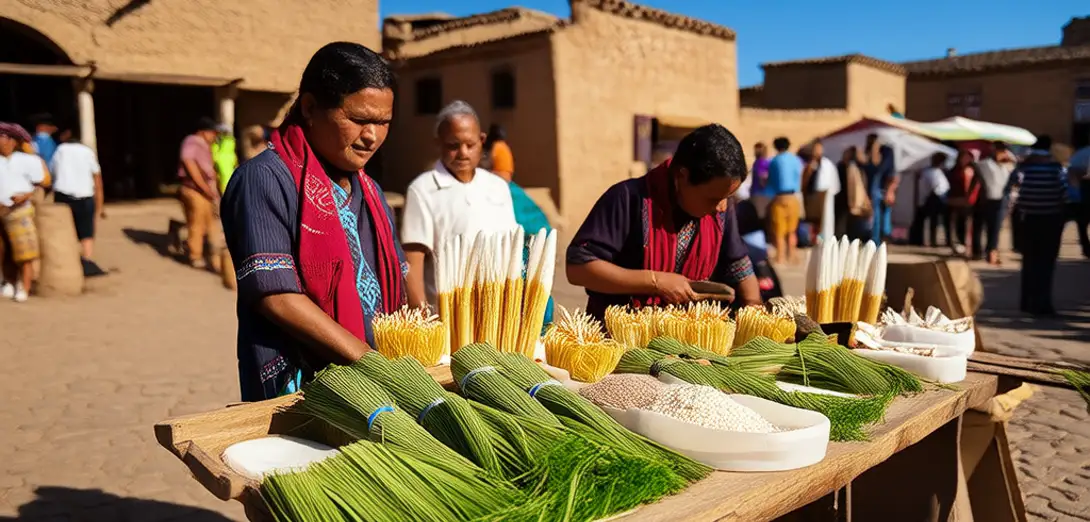
Chichicastenango’s Market Altars: Guatemala’s Living Archive
奇奇卡斯特南戈的市集祭坛:危地马拉的活态档案
-
Every Thursday and Sunday, Maya K’iche’ vendors in Chichicastenango arrange maize, candles, and pine needles into small altars on market stalls.每周四和周日,奇奇卡斯特南戈的玛雅基切族商贩都会在集市摊位上用玉米、蜡烛和松针摆出小型祭坛。
-
These aren’t for sale—they honor ancestors, seeds, and the volcanic soil that feeds three generations.这些祭坛不售卖——它们敬奉祖先、种子,以及滋养三代人的火山土壤。
-
Tourists may photograph textiles, but locals watch closely to see if anyone steps over an altar’s red string boundary.游客或许会拍摄纺织品,但当地人会密切留意,看是否有人跨过祭坛外围的红线。
-
Priests light copal incense near woven bags, whispering prayers that cite pre-Columbian calendars and Spanish-era land deeds.祭司在编织袋旁点燃柯帕尔乳香,低声诵念祷词,其中援引前哥伦布时期的历法与西班牙殖民时期的土地契约。
-
Children learn counting by sorting beans on altar cloths, linking math to harvest cycles and debt repayment traditions.孩子们通过在祭坛布上分拣豆子来学习计数,将数学与收获周期及还债传统联系起来。
-
A single altar might hold obsidian flakes beside plastic beads—symbols of continuity, not contradiction.一座祭坛上可能同时摆放黑曜石碎片与塑料珠子——象征延续,而非矛盾。
-
When rain floods the plaza, vendors lift altars onto shoulders and carry them dry, singing low hymns in K’iche’.暴雨淹没广场时,商贩们将祭坛扛上肩头护住,边走边用基切语低唱圣歌。
-
Archivists collaborate with weavers to label textile motifs that encode migration routes and treaty dates.档案管理员与织工合作,为纺织图案标注含义,这些图案暗含迁徙路线与条约签署日期。
-
No museum glass separates these objects from daily life—they’re touched, rearranged, and re-blessed each week.这些物件未被博物馆玻璃隔开——它们每周都被触摸、重新布置,并再次祝圣。
-
Here, history isn’t behind velvet rope—it’s fragrant, edible, walked upon, and spoken aloud.在这里,历史不在丝绒绳之后——它芬芳可嗅、可食可嚼、可踏可行、可诵可言。