正在确认阅读权限…
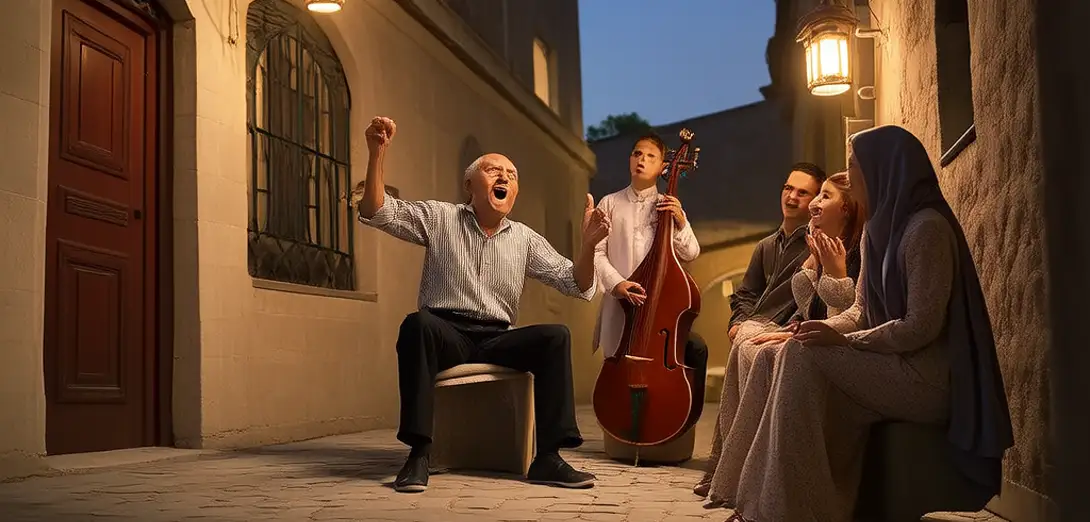
Baku’s Mugham Evenings: Sound as Cultural Continuum
巴库的木卡姆之夜:声音作为文化长河
-
In Baku’s narrow alleyways, families host mugham evenings where singers improvise for hours using ancient melodic modes.在巴库狭窄的小巷里,家家户户举办木卡姆晚会,歌手们用古老的旋律调式即兴演唱数小时。
-
Each mugham suite follows emotional arcs—joy to longing, then to quiet resolve—mirroring Persian, Turkic, and Caucasian influences.每套木卡姆组曲都遵循情感脉络——从喜悦到眷恋,再归于沉静的决断,映射波斯、突厥与高加索文化的影响。
-
Young performers learn not from notation but by sleeping beside masters who hum phrases in their sleep.年轻表演者不靠乐谱学习,而是睡在大师身旁,听他们在梦中哼唱乐句。
-
Audiences don’t clap between movements; they sip black tea slowly, matching the singer’s breathing rhythm.观众不在乐章间鼓掌,只缓缓啜饮黑茶,呼吸节奏与歌手同步。
-
Lyrics often quote 12th-century poets yet describe today’s oil workers returning home under Caspian stars.歌词常引用12世纪诗人的诗句,却描绘今日石油工人在里海星空下归家的身影。
-
Restorers recovered 19th-century mugham recordings from wax cylinders buried during Soviet bans.修复人员从苏联禁令时期掩埋的蜡筒中,抢救出19世纪的木卡姆录音。
-
Music schools now teach mugham alongside urban planning—students map neighborhoods where certain modes still echo strongest.音乐学院如今将木卡姆与城市规划并列教学——学生绘制地图,标出特定调式回响最强烈的街区。
-
A mugham for dawn begins with a single violin note held until someone sighs—then the ensemble enters.晨曲木卡姆以一把小提琴单音起始,持续至有人叹息,乐队方随之进入。
-
Foreign listeners receive lyric translations only after three visits, ensuring feeling precedes translation.外国听众须三次到场后,才获赠歌词译文,确保先感受,再理解。
-
This is history not as fixed fact but as vibration—carried in throat, remembered in silence, reshaped each night.这历史并非凝固的事实,而是振动——在喉间传递,在静默中铭记,每夜重塑。