正在确认阅读权限…
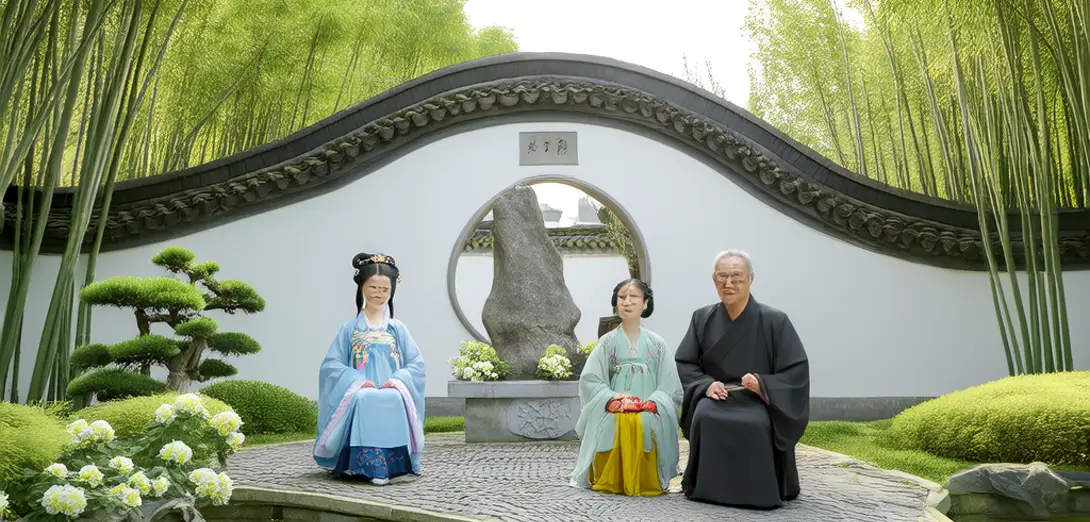
Tomb Sweeping in Suzhou: Gardens as Living Ancestral Spaces
苏州扫墓:园林作为生生不息的祖先空间
-
Every April, families gather at classical gardens in Suzhou to place fresh chrysanthemums beside stone steles.每年四月,苏州的家族齐聚古典园林,在石碑旁摆放新鲜菊花。
-
These gardens were once private estates where scholars hosted poetry gatherings and honored forebears through quiet contemplation.这些园林曾是文人雅士的私家宅院,他们在此举办诗会,并借静思追念先祖。
-
Unlike cemeteries elsewhere, Suzhou’s ancestral rites unfold amid pavilions, lotus ponds, and winding corridors built centuries ago.与别处墓园不同,苏州的祭祖仪式在亭台、莲池和数百年前修建的曲廊间举行。
-
Elders recite verses from Ming-dynasty manuscripts while children trace calligraphy on rice paper near moss-covered walls.长者吟诵明代手稿中的诗句,孩童则在青苔斑驳的墙边用宣纸临摹书法。
-
The ritual balances reverence and renewal, as willow branches are tied to gateposts to welcome spring and ancestral presence alike.仪式兼顾敬重与新生:柳枝系于门柱,既迎春光,亦迎祖先之灵。
-
Local historians note how garden layouts encode Confucian values of harmony, filial duty, and cyclical time.当地史学家指出,园林布局暗含儒家崇尚的和谐、孝道与循环时间观。
-
Tourists observe respectfully from designated paths, guided by bilingual signs explaining the symbolism of rock formations and water flow.游客沿指定步道肃立观礼,双语标牌讲解假山与水势的象征意义。
-
This practice shows how historical space remains emotionally inhabited—not preserved behind glass, but lived with daily intention.这一习俗表明,历史空间仍被情感所栖居——并非封存于玻璃之后,而是以日常自觉延续。
-
Even modern apartment dwellers bring miniature bonsai and ink rubbings home to maintain continuity with garden-based memory.就连现代公寓居民也会带微型盆景和拓片回家,维系与园林记忆的传承。
-
Suzhou reminds us that heritage is not static ground, but a path walked together across generations.苏州提醒我们:遗产并非凝固的疆域,而是代代同行的道路。