正在确认阅读权限…
Oaxaca’s Guelaguetza: When Festival Gifts Resist Commodification
瓦哈卡的盖拉盖查节:当节日馈赠抗拒商品化
-
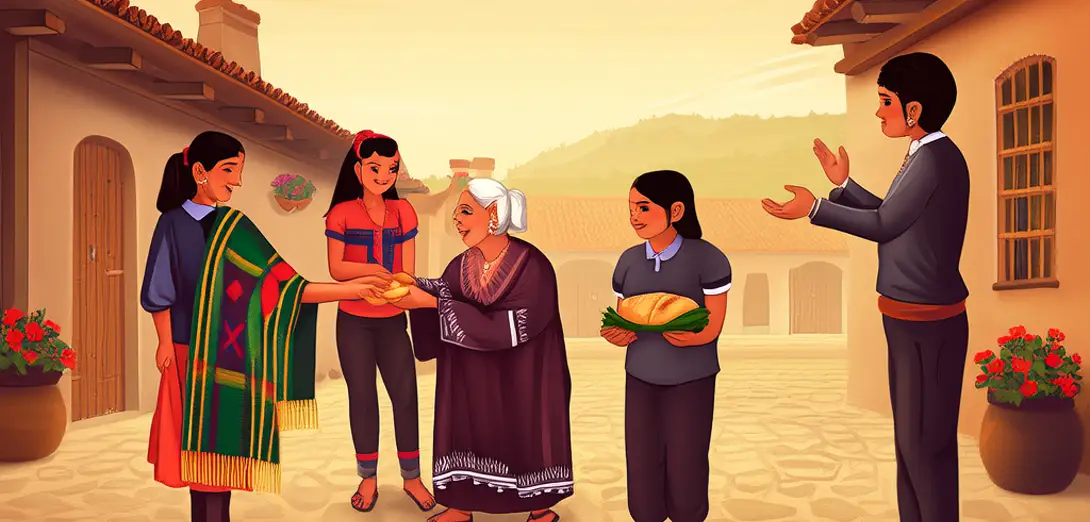
Each July, Zapotec and Mixtec communities in Oaxaca exchange handwoven textiles, maize bread, and oral histories—not tickets or souvenirs.每年七月,瓦哈卡的萨波特克和米斯特克社群互赠手工编织纺织品、玉米面包和口述历史,而非门票或纪念品。
-
Guelaguetza means 'mutual aid' in Zapotec, and its core remains a non-monetary network of obligation and gratitude among villages.‘圭拉古埃察’在萨波特克语中意为‘互助’,其核心至今仍是村落间以义务与感恩为基础的非货币化网络。
-
Tour buses arrive daily, yet performers decline paid photo sessions unless elders from their home community approve the framing.旅游大巴每日抵达,但表演者拒绝付费拍照,除非其家乡村中的长者认可拍摄方式。
-
Artisans sell rugs only after completing ceremonial gift-giving to host families who opened their courtyards for rehearsals.手工艺人只有在向提供庭院供排练的主家完成仪式性赠礼后,才出售地毯。
-
A UNESCO listing brought global attention, but local councils now limit vendor permits to families with documented weaving lineages over three generations.联合国教科文组织的列入带来全球关注,但当地委员会如今仅向拥有三代以上织造传承记录的家庭发放摊位许可。
-
Schoolchildren learn not just dance steps, but the exact corn variety used in ritual tamales—and why it cannot be substituted.学童不仅学习舞蹈动作,还要掌握仪式用玉米粽子所用的确切玉米品种——以及为何不可替代。
-
Foreign journalists may film performances only if they first participate in a shared meal prepared without electricity or gas stoves.外国记者仅在先参与一场不使用电力或燃气灶具烹制的共餐后,方可拍摄演出。
-
The festival resists becoming spectacle by insisting that every public act begins with private reciprocity.该节日通过坚持‘每一项公开行为必始于私人互惠’,抵制自身沦为奇观。
-
When a hotel chain proposed branded 'Guelaguetza Experience Packages', elders held a week-long forum in Monte Albán ruins to reaffirm boundaries.当一家连锁酒店提出冠名‘圭拉古埃察体验套餐’时,长者们在蒙特阿尔班遗址举行为期一周的论坛,重申边界。
-
This balance proves cultural vitality thrives not in isolation, but in carefully tended relationships between hosts, guests, and land.这种平衡证明:文化活力并非源于孤立,而在于主人、客人与土地之间精心维系的关系。