正在确认阅读权限…
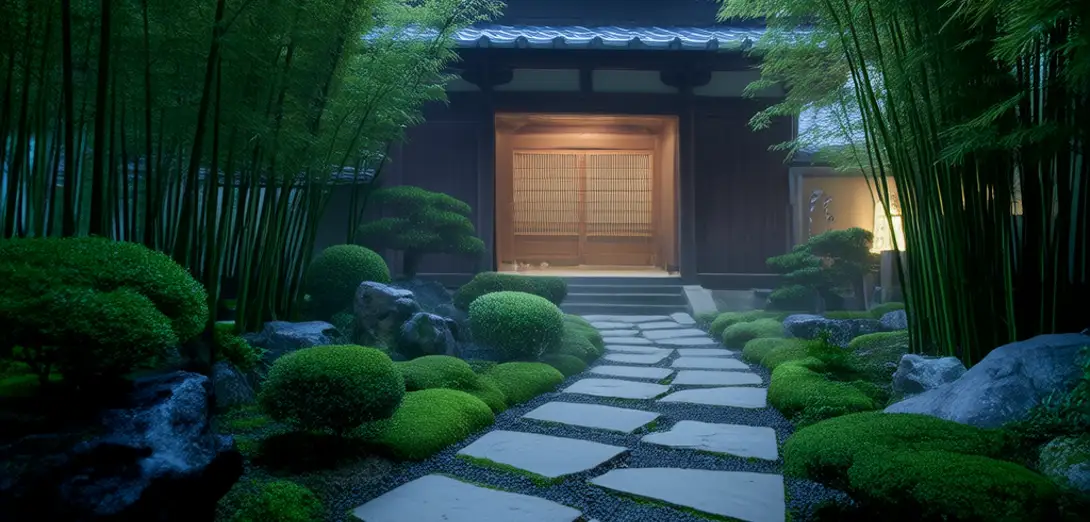
Geography and Environmental Syntax: Japanese Tea Ceremony Spaces as Microclimatic Architecture (Batch 0001-025)
地理与环境句法:日本茶室空间作为微气候建筑
-
The roji garden path preceding a Kyoto tea ceremony is engineered not for aesthetics but as a calibrated microclimatic transition zone—cooling air, filtering dust, and modulating light before entry.京都茶道前的露地小径并非为美观而设,而是经过精密设计的微气候过渡带——入室前先降温、除尘、调光。
-
Stone placements follow precise thermal mass calculations: moss-covered boulders absorb midday heat while gravel beds promote evaporative cooling during humid afternoons.石块布局依据精确的热质量计算:覆苔巨石吸收正午热量,碎石床则在潮湿午后促进蒸发降温。
-
Tea room architecture encodes regional geography—shingle roofs mimic cedar bark textures from nearby mountains, while tatami mats use rush grass harvested only from specific lake-fed marshes.茶室建筑暗藏地域地理特征——杉皮纹样瓦顶呼应近山 cedar 树皮肌理,榻榻米所用灯心草仅采自特定湖滨沼泽。
-
Seasonal scroll calligraphy references not abstract poetry but actual phenological events: ‘first plum blossom frost’ denotes measurable temperature thresholds affecting matcha whisking viscosity.时令挂轴书法不引抽象诗文,而直指真实物候现象:‘初梅霜’即指影响抹茶搅打黏度的实测温度阈值。
-
Modern climate-controlled buildings replicate these effects via HVAC systems, yet fail to replicate the ritual’s pedagogy of embodied climate awareness—guests *feel* humidity changes as part of ethical preparation.现代恒温建筑虽借 HVAC 系统模拟这些效果,却无法复现茶道所传递的身体化气候觉知——宾客须亲身感受湿度变化,方为合乎伦理的准备。
-
Tea masters train apprentices to read subtle shifts in steam condensation on iron kettles as indicators of atmospheric pressure changes linked to approaching typhoons.茶师训练学徒观察铁 kettle 上水汽凝结的细微变化,以此判断气压变动,预知台风临近。
-
Urban redevelopment projects now integrate roji principles into public plazas—using layered vegetation and permeable paving to create localized cooling corridors amid concrete heat islands.城市更新项目如今将露地理念融入公共广场——以层叠植被与透水铺装,在混凝土热岛中营造局部降温廊道。
-
This is geography reduced to syntax: each element—a stepping stone, a bamboo gate, a clay kettle—functions as a grammatical unit in a sentence describing human-climate cohabitation.这是被压缩为语法的地理:每一块踏脚石、一扇竹门、一只陶 kettle,皆是描述人与气候共居关系的语法单元。
-
International architects study these spaces not as nostalgia but as operational manuals for designing buildings that respond to hyperlocal climate variables in real time.国际建筑师研习此类空间,并非怀旧,而是将其视作实时响应超本地气候变量的建筑设计操作手册。
-
Even smartphone apps guiding tourists through historic roji now overlay live sensor data—showing how current dew point matches Edo-period records inscribed on garden stones.就连引导游客游览古露地的手机应用,也叠加实时传感器数据——显示当前露点温度与刻于园石上的江户时期记录是否吻合。
-
The tea ceremony’s endurance lies in treating environment not as external condition but as grammatical structure—governing sequence, proportion, pause, and reciprocity.茶道历久弥新,在于将环境视作语法结构而非外部条件——它规约着次序、比例、停顿与互惠。
-
Here, geography is not represented—it is performed, breathed, and sipped, one precise, climate-responsive gesture at a time.在此,地理并非被再现,而是被践行、被呼吸、被啜饮——每一次精准而气候响应的动作,皆是一次地理实践。