正在确认阅读权限…
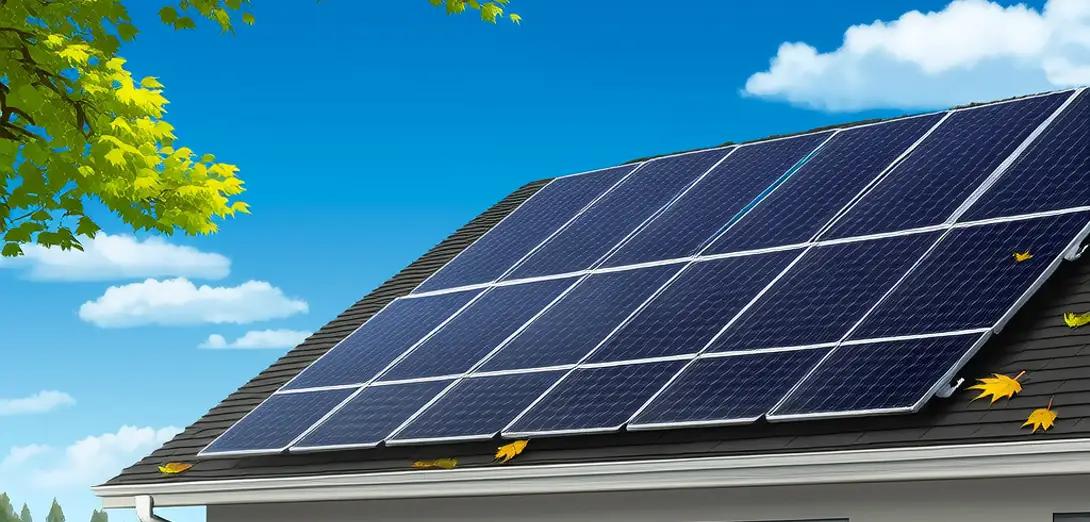
Why Solar Panels Work Better on Cool, Sunny Days
为什么晴朗凉爽的天气更利于太阳能发电
-
Solar panels convert sunlight into electricity using photovoltaic cells made of silicon.太阳能电池板利用硅制光伏电池将阳光转化为电能。
-
Though bright sun is essential, high temperatures actually reduce their efficiency by 0.3–0.5% per degree Celsius.虽然强光必不可少,但高温反而会降低效率,每升高1摄氏度,效率下降0.3%–0.5%。
-
On hot days, electrons in the silicon become too energetic, causing more resistance and heat loss.在炎热天气下,硅中的电子过于活跃,导致电阻增大、热量损耗增加。
-
Cooler air improves heat dissipation, helping cells maintain optimal voltage and current output.较冷的空气有助于散热,帮助电池维持最佳电压和电流输出。
-
That’s why cities like Portland or Berlin often get more annual energy per panel than hotter places like Phoenix—despite fewer sunny hours.正因如此,波特兰或柏林等城市每年每块面板的发电量常高于凤凰城等更热地区——尽管晴天小时数更少。
-
Modern inverters also adjust voltage dynamically to match changing panel performance in real time.现代逆变器还能实时动态调节电压,以匹配电池板性能的实时变化。
-
Dust, snow, or shading from trees can cut output more than heat, so regular cleaning matters too.灰尘、积雪或树木遮挡对发电量的影响远超高温,因此定期清洁同样重要。
-
Engineers now design bifacial panels that capture reflected light from rooftops or ground surfaces.工程师现已设计出双面电池板,可捕获屋顶或地面反射的光线。
-
Researchers are testing perovskite layers to boost efficiency without raising operating temperatures.研究人员正在测试钙钛矿层,以提升效率且不升高工作温度。
-
So next time you see solar panels gleaming on a crisp autumn morning, remember: cool + sun = peak power.所以下次你在清爽的秋日清晨看到熠熠生辉的太阳能电池板时,请记住:凉爽+阳光=峰值功率。