正在确认阅读权限…
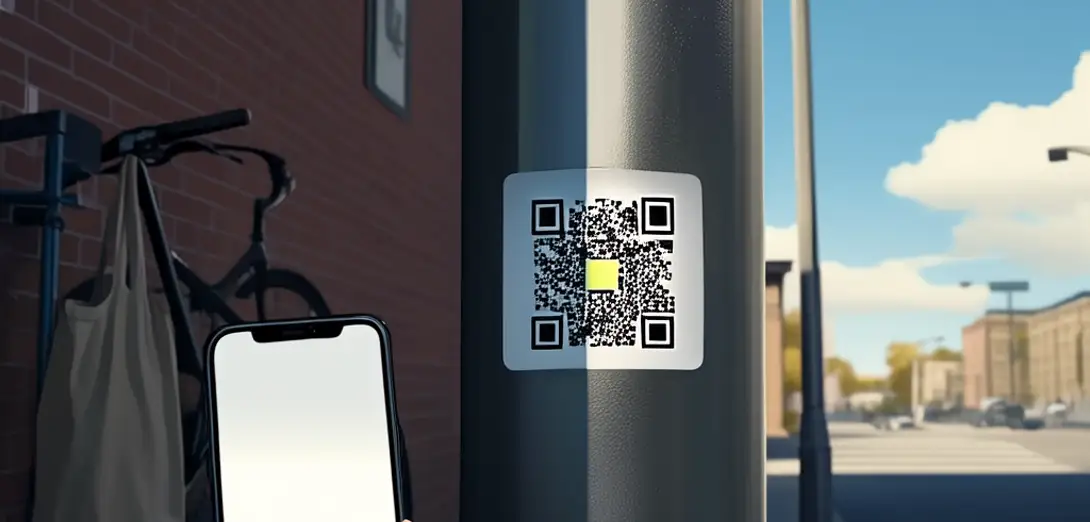
How QR Codes Turn Everyday Objects into Information Hubs
二维码如何让日常物品变身信息枢纽
-
A QR code is a two-dimensional barcode that stores text, URLs, or contact details in black-and-white squares.二维码是一种二维条形码,以黑白方块形式存储文本、网址或联系人信息。
-
Unlike traditional barcodes, it can hold over 4,000 characters and be scanned from any angle.与传统条形码不同,它可容纳超4000个字符,且支持任意角度扫描。
-
When you point your phone camera at one, the device decodes the pattern using image recognition software.用手机摄像头对准二维码时,设备会通过图像识别软件解码其中的图案。
-
Many museums now embed QR codes beside exhibits to link visitors to audio tours or historical videos.如今许多博物馆在展品旁嵌入二维码,引导游客收听语音导览或观看历史视频。
-
Restaurants use them on table tents so diners can view menus, place orders, and pay digitally.餐厅将二维码印在桌牌上,方便顾客查看菜单、下单并在线支付。
-
Farmers print QR codes on fruit labels to show harvest date, origin farm, and pesticide test results.果农将二维码印在水果标签上,显示采摘日期、产地农场及农药检测结果。
-
These codes don’t require internet to store data—but linking to live content does need connectivity.二维码本身无需网络即可存储数据,但链接到实时内容则需联网。
-
Security-conscious designers add digital signatures to prevent tampering with the encoded URL.注重安全的设计者会添加数字签名,防止编码的网址被篡改。
-
New versions like QR-Max support offline content delivery using Bluetooth LE fallbacks.新型二维码(如QR-Max)支持通过蓝牙低功耗(BLE)回退机制实现离线内容分发。
-
In essence, QR codes bridge physical objects and digital knowledge—no app download required.本质上,二维码打通了实体物品与数字知识之间的连接,且无需下载额外应用。