正在确认阅读权限…
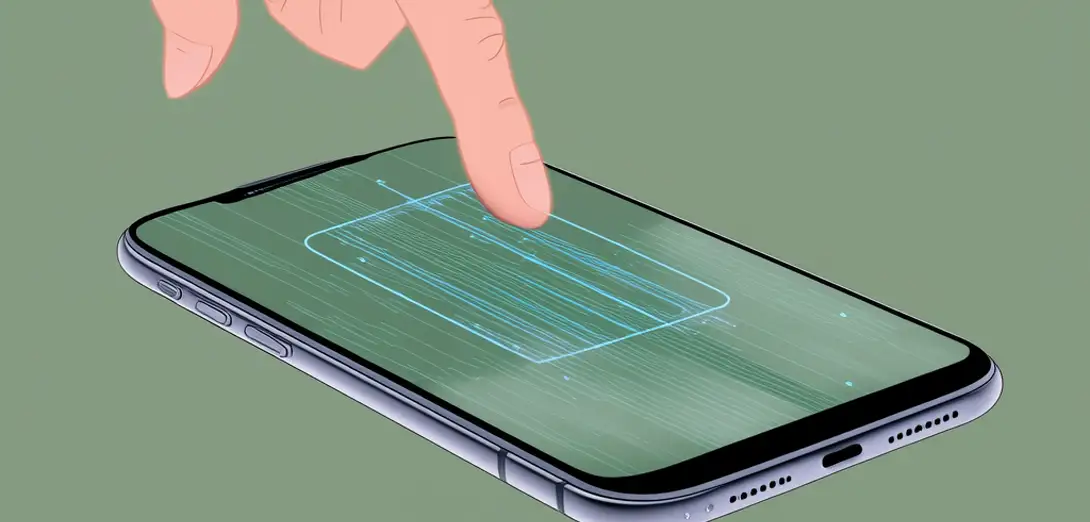
How Do Touchscreens Detect Your Finger So Accurately?
触摸屏是如何如此精准地检测到你的手指的?
-
Most smartphones use capacitive touchscreens, which rely on the body’s natural electrical conductivity.大多数智能手机采用电容式触摸屏,依赖人体天然的导电性。
-
A grid of tiny transparent electrodes beneath the glass stores electric charge like microscopic capacitors.玻璃下方有一层微小的透明电极网格,像微型电容器一样储存电荷。
-
When your finger touches the screen, it draws a small amount of charge from nearby electrodes.手指触碰屏幕时,会从邻近电极吸取少量电荷。
-
The device measures changes in capacitance at thousands of points to pinpoint your finger’s location.设备通过测量数千个点的电容变化,精确定位手指位置。
-
Multi-touch capability comes from scanning rows and columns rapidly, detecting multiple contact points simultaneously.多点触控功能依靠快速扫描行列,同时检测多个接触点。
-
Gloves usually block this because fabric doesn’t conduct electricity well — unless they’re specially designed.普通手套通常会阻断触控,因为布料导电性差——除非是特制手套。
-
Water droplets can confuse the sensor by mimicking finger conductivity, causing false touches or lag.水滴可能干扰传感器,模拟手指导电性,导致误触或延迟。
-
Engineers calibrate sensitivity to ignore dust or light brushes while responding instantly to intentional taps.工程师校准灵敏度,以忽略灰尘或轻触,同时对有意点击即时响应。
-
Newer screens add pressure sensing and palm rejection to improve writing and drawing accuracy.新型屏幕增加压力感应和手掌防误触功能,提升书写与绘图精度。
-
This blend of physics, electronics, and human factors makes modern interaction feel intuitive and responsive.这种物理学、电子学与人因工程的结合,让现代交互显得直观而灵敏。