正在确认阅读权限…
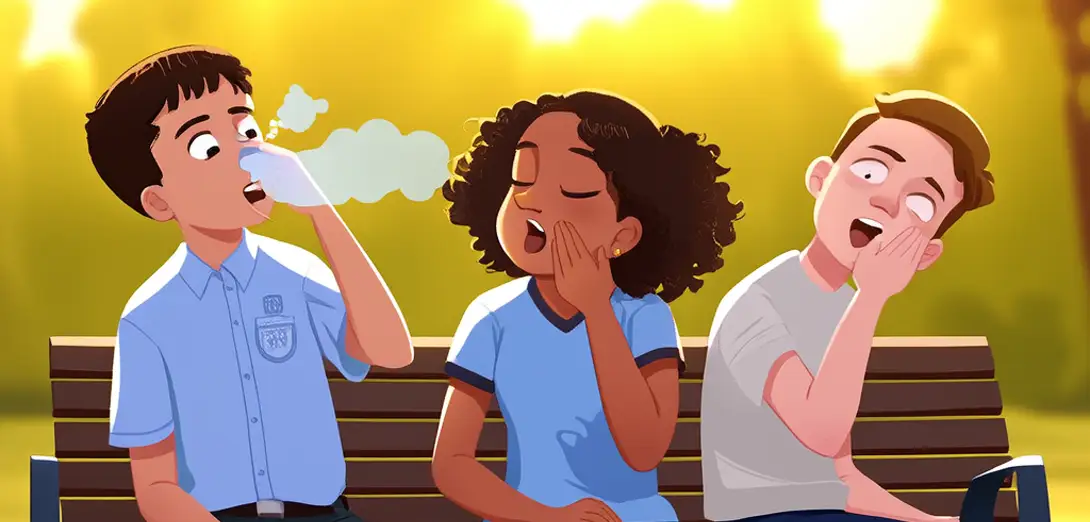
Why Do We Yawn When We’re Tired — And Why Is It Contagious?
人疲倦时为什么会打哈欠?而且它为什么会传染?
-
Yawning increases oxygen intake and cools the brain by drawing cool air over sinus membranes and blood vessels.打哈欠能增加氧气摄入,并通过让冷空气流经鼻窦黏膜和血管来为大脑降温。
-
It often occurs before sleep or upon waking, helping regulate alertness and transition between mental states.它常发生在入睡前或刚醒来时,有助于调节警觉度及心理状态的转换。
-
Contagious yawning is linked to empathy and social bonding, appearing strongly in humans and some primates.传染性打哈欠与共情能力和社会联结有关,在人类和部分灵长类动物中尤为明显。
-
Brain scans show that the same neural networks activate whether you yawn or just watch someone else yawn.脑扫描显示,无论自己打哈欠还是仅观看他人打哈欠,激活的是同一神经网络。
-
Children under five rarely catch yawns, suggesting the trait develops alongside theory-of-mind skills.五岁以下儿童极少出现传染性打哈欠,表明该能力随心理理论技能的发展而形成。
-
People with autism spectrum conditions yawn less contagiously, supporting the empathy connection.自闭症谱系障碍者较少出现传染性打哈欠,进一步佐证了其与共情的关联。
-
Even reading or thinking about yawning can trigger it — a sign of strong mental simulation ability.甚至阅读或想到打哈欠都可能诱发它——这是心理模拟能力强的表现。
-
Yawning stretches jaw muscles and increases heart rate slightly, preparing the body for activity.打哈欠可拉伸下颌肌肉,并轻微提升心率,帮助身体为活动做准备。
-
It’s not caused by low oxygen or high CO₂, as early theories claimed — controlled experiments disproved that.它并非如早期理论所称由缺氧或二氧化碳过高引起,受控实验已推翻该说法。
-
This ancient, automatic behavior bridges physiology, psychology, and group survival in subtle ways.这种古老而自动的行为,以微妙方式连接着生理、心理与群体生存。