正在确认阅读权限…
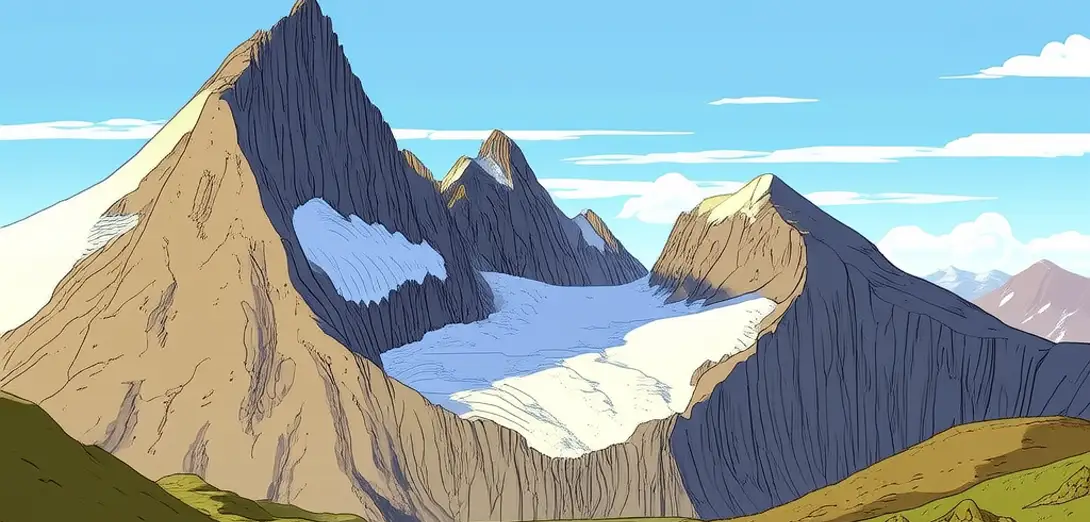
Why Do Mountains Stop Growing Even Though Tectonic Plates Keep Moving?
为什么山脉停止生长,尽管板块仍在持续运动?
-
Mountains form when tectonic plates collide and push Earth's crust upward over millions of years.山脉由板块碰撞并持续数百万年向上推挤地壳而形成。
-
However, erosion by wind, water, and ice constantly wears them down at the same time.然而,风、水和冰的侵蚀作用同时不断削低山脉。
-
Gravity also limits how high mountains can become before rock layers begin to collapse sideways.重力也限制了山脉的高度上限,超过该高度岩层便开始侧向崩塌。
-
Once uplift slows or stops, erosion gradually dominates and reduces their height over time.一旦抬升减缓或停止,侵蚀便逐渐占据主导,使山脉高度随时间降低。
-
The Himalayas are still rising because India’s plate pushes northward faster than erosion removes material.喜马拉雅山脉仍在升高,因为印度板块向北推进的速度快于侵蚀带走物质的速度。
-
But older ranges like the Appalachians have nearly stopped growing and now shrink slowly due to weathering.但阿巴拉契亚等古老山脉已基本停止生长,如今正因风化而缓慢变矮。
-
Rock strength, climate, and regional stress all affect whether a mountain range grows or declines.岩石强度、气候和区域应力共同决定山脉是增长还是衰退。
-
Scientists measure these changes using GPS satellites and laser elevation mapping over decades.科学家通过GPS卫星和激光高程测绘,持续数十年监测这些变化。
-
Even active mountains reach equilibrium when uplift balances erosion — a key concept in geomorphology.即便是活跃的山脉,当抬升与侵蚀达到平衡时,也会进入稳态——这是地貌学的核心概念。
-
This balance explains why Earth has no 20-kilometer-high peaks despite constant tectonic motion.这种平衡解释了为何尽管地壳持续运动,地球却不存在高达20公里的山峰。