正在确认阅读权限…
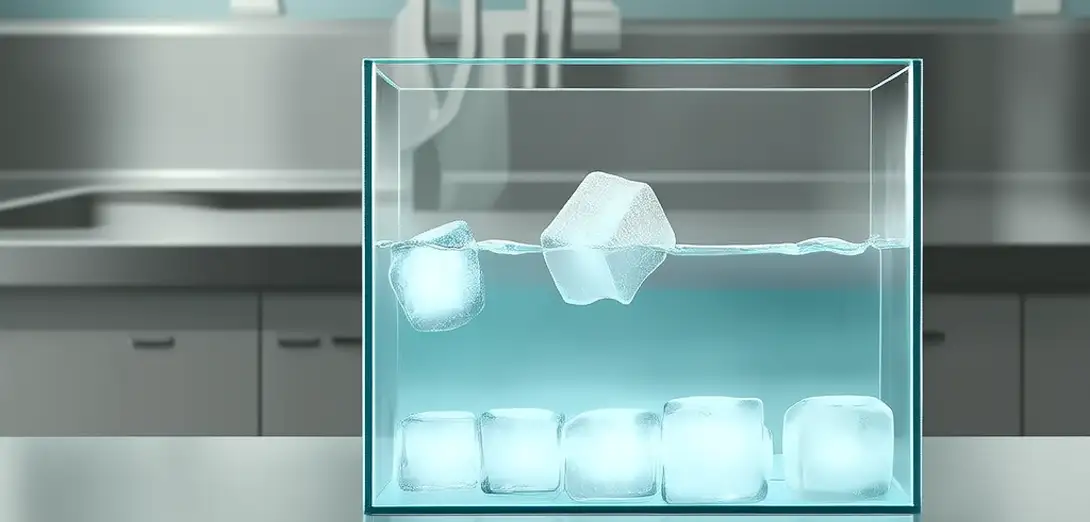
Why Does Ice Float on Water While Most Solids Sink in Their Liquids?
为什么冰能浮在水面上,而大多数固体却沉入自己的液体中?
-
Water expands when it freezes, making ice about 9% less dense than liquid water.水结冰时体积膨胀,使冰的密度比液态水低约9%。
-
This unusual behavior comes from hydrogen bonds forming a hexagonal lattice with open spaces.这种反常现象源于氢键形成具有空隙的六方晶格结构。
-
Most substances contract on cooling, so their solids sink — but water reaches maximum density at 4°C.大多数物质遇冷收缩,固态会下沉;而水在4°C时密度最大。
-
As surface water cools below 4°C, it becomes less dense and rises, eventually freezing on top.当表层水温降至4°C以下时,密度变小并上浮,最终在水面结冰。
-
This layer of ice insulates lakes and rivers, allowing aquatic life to survive winter below.这层冰覆盖能隔绝热量,使水下生物得以在冬季存活。
-
Without this property, freshwater ecosystems would freeze solid from the bottom up.若无此特性,淡水生态系统将自底部向上完全冻结。
-
The density anomaly also affects ocean circulation and global climate regulation.密度异常还影响海洋环流与全球气候调节。
-
Scientists study ice structure to improve materials for cold-weather engineering and cryopreservation.科学家研究冰的结构,以改进寒冷环境工程和低温保存材料。
-
Even tiny impurities or pressure can shift freezing points and crystal shapes slightly.即使微量杂质或压力,也会略微改变冰点与晶体形态。
-
This single molecular quirk supports life on Earth in ways few other elements can match.这一分子层面的独特性质,支撑地球生命的方式鲜有其他元素可及。