正在确认阅读权限…
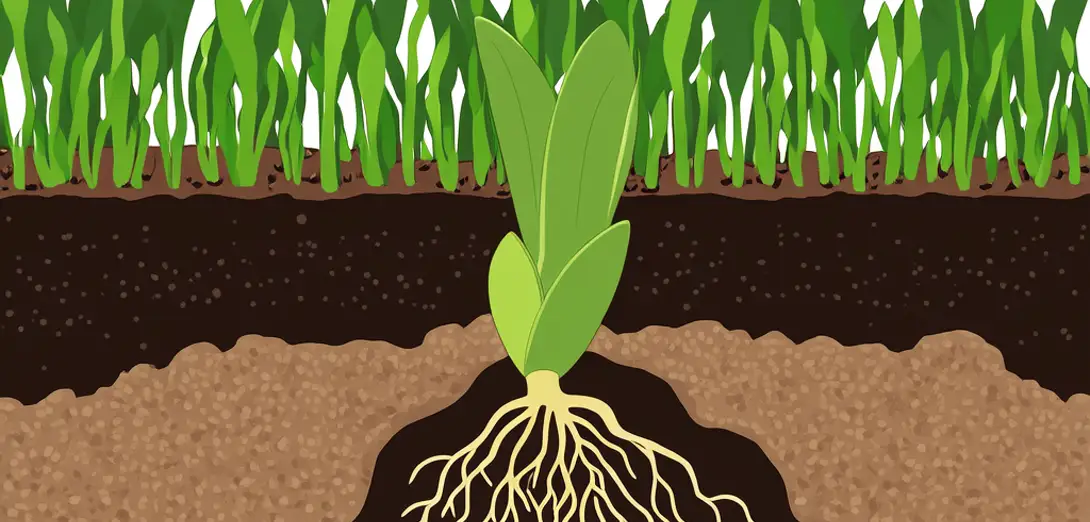
How Do Plants ‘Know’ Which Way Is Up When They Germinate Underground?
植物种子在地下萌发时,怎样‘知道’哪边是上方?
-
Seedlings use gravity-sensing cells called statocytes, which contain starch-filled plastids called statoliths.幼苗依靠称为平衡细胞的重力感应细胞,其中含有淀粉质体——即平衡石。
-
When a seed lands sideways, statoliths settle to the bottom of these cells due to gravity.当种子侧向落地时,平衡石因重力作用沉降到这些细胞底部。
-
That physical signal triggers uneven distribution of auxin, a growth hormone, along the stem and root.这一物理信号引发生长素(一种生长激素)在茎和根中不均匀分布。
-
Higher auxin concentration on the lower side slows cell elongation in shoots but speeds it in roots.较低一侧生长素浓度升高会抑制茎部细胞伸长,却促进根部细胞伸长。
-
As a result, the shoot curves upward (negative gravitropism) and the root curves downward (positive gravitropism).结果,茎向上弯曲(负向重力性),根向下弯曲(正向重力性)。
-
Light also guides young plants, but gravity acts first — even in total darkness or space experiments.光也引导幼苗生长,但重力作用优先——即使在完全黑暗或太空实验中亦然。
-
NASA studies plant orientation in microgravity to prepare for future space farming missions.美国宇航局(NASA)在微重力环境下研究植物定向,为未来太空农业任务做准备。
-
Mutant plants lacking functional statoliths grow randomly, proving how vital this mechanism is.缺乏功能性平衡石的突变植株随机生长,证明该机制至关重要。
-
Root caps and coleoptiles house most gravity sensors, making them critical for early development.根冠和胚芽鞘集中了大部分重力感受器,对早期发育尤为关键。
-
This built-in compass allows plants to anchor, breathe, and photosynthesize efficiently from day one.这种内置‘指南针’使植物从萌发首日便能高效固着、呼吸与光合作用。