正在确认阅读权限…
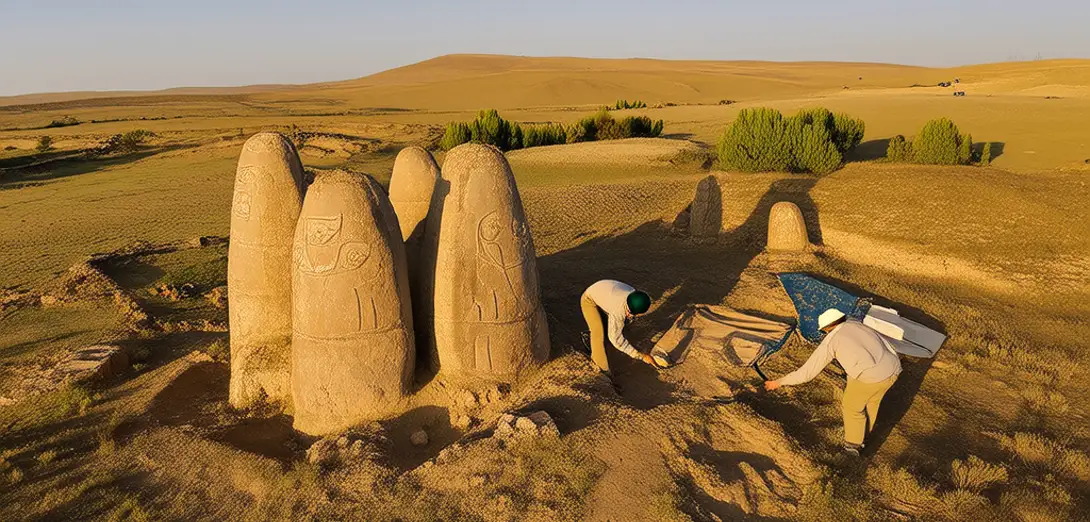
Göbekli Tepe: Temples Before Farming
哥贝克力石阵:农耕之前的神庙
-
Discovered in southeastern Turkey in 1994, Göbekli Tepe dates back to about 9600 BCE.1994年在土耳其东南部发现的哥贝克力石阵可追溯至约公元前9600年。
-
Its massive T-shaped stone pillars, some weighing over 14 tons, were carved with intricate animal reliefs.其巨大的T形石柱,部分重逾14吨,表面雕刻着精细的动物浮雕。
-
Archaeologists found no evidence of permanent homes or grain storage at the site, suggesting it predates settled agriculture.考古学家未在此发现永久性居所或谷物储存设施,表明该遗址早于定居农业。
-
Hunters and gatherers likely gathered here seasonally for rituals, feasting, and shared construction work.狩猎采集者可能曾季节性聚集于此,举行仪式、宴饮并共同建造。
-
Radiocarbon dating shows the oldest enclosures were deliberately buried around 8000 BCE, possibly to mark cultural change.放射性碳测年显示,最古老的围场约在公元前8000年被有意掩埋,或为标志文化变迁。
-
This site challenges the long-held idea that cities and religion emerged only after farming began.这一遗址挑战了‘城市与宗教仅在农耕出现后才兴起’的传统观点。
-
The effort required to build Göbekli Tepe implies strong social coordination and symbolic leadership among pre-agricultural groups.建造哥贝克力石阵所需的巨大投入,表明前农业群体已具备强大的社会协作与象征性领导力。
-
Its location near wild wheat fields hints at early experimentation with plant cultivation nearby.其邻近野生小麦田的位置,暗示附近可能存在早期植物栽培尝试。
-
Later Neolithic villages in the region show gradual shifts toward domestication and hierarchy.该地区后续的新石器时代村落显示出向驯化与等级制度的渐进转变。
-
Göbekli Tepe thus represents not just worship—but the very roots of organized human society.因此,哥贝克力石阵不仅代表崇拜行为,更标志着人类有组织社会的起源。