正在确认阅读权限…
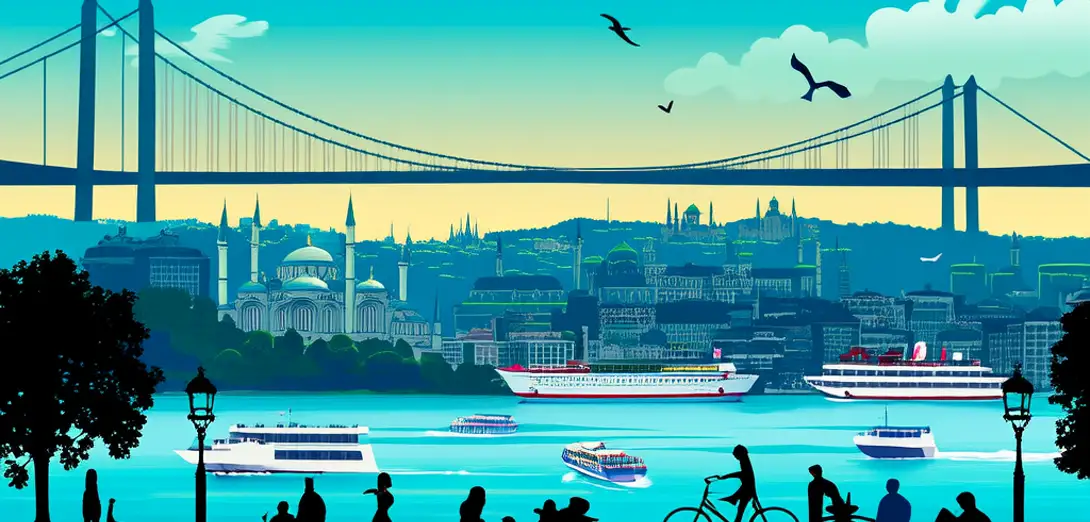
Istanbul: Bridging Continents, Balancing Cultures
伊斯坦布尔:横跨大陆,平衡文化
-
Straddling the Bosphorus Strait, Istanbul connects Europe and Asia—and serves as Turkey’s cultural, economic, and historical heart.伊斯坦布尔横跨博斯普鲁斯海峡,连接欧洲与亚洲,是土耳其的文化、经济与历史中心。
-
Its location made it a key hub on Silk Road trade routes for over 2,500 years, shaping diverse architecture and cuisine.其地理位置使其两千五百多年来一直是丝绸之路贸易路线的关键枢纽,塑造了多元的建筑风格与饮食文化。
-
The Hagia Sophia reflects layered histories: originally a cathedral, then a mosque, now a museum—and recently reconverted.圣索菲亚大教堂见证了层层叠叠的历史:最初为教堂,后改为清真寺,再变为博物馆,最近又重新改为清真寺。
-
Traffic congestion worsens as the city’s population approaches 16 million, prompting expansion of metro lines across the strait.随着城市人口逼近1600万,交通拥堵日益加剧,促使地铁线路持续向海峡对岸延伸。
-
Earthquake risk is high here; newer buildings follow strict seismic codes, while historic structures undergo careful retrofitting.此处地震风险很高;新建建筑严格遵循抗震规范,历史建筑则经过审慎加固。
-
Fish markets along the Golden Horn remain vital social spaces, where locals bargain for anchovies and mackerel caught that morning.金角湾沿岸的鱼市仍是重要的社交场所,当地人在此讨价还价,购买当天清晨捕获的凤尾鱼和鲭鱼。
-
Urban gardens on rooftops and vacant lots increase green cover, helping cool neighborhoods during increasingly hot summers.屋顶与闲置地块上的都市花园增加了绿化面积,有助于缓解日益炎热的夏季高温。
-
Multilingual street signs and public transport announcements reflect the city’s role as a meeting point for migrants from Syria, Iran, and beyond.多语种路标与公共交通广播体现了该城作为来自叙利亚、伊朗等地移民交汇点的重要角色。